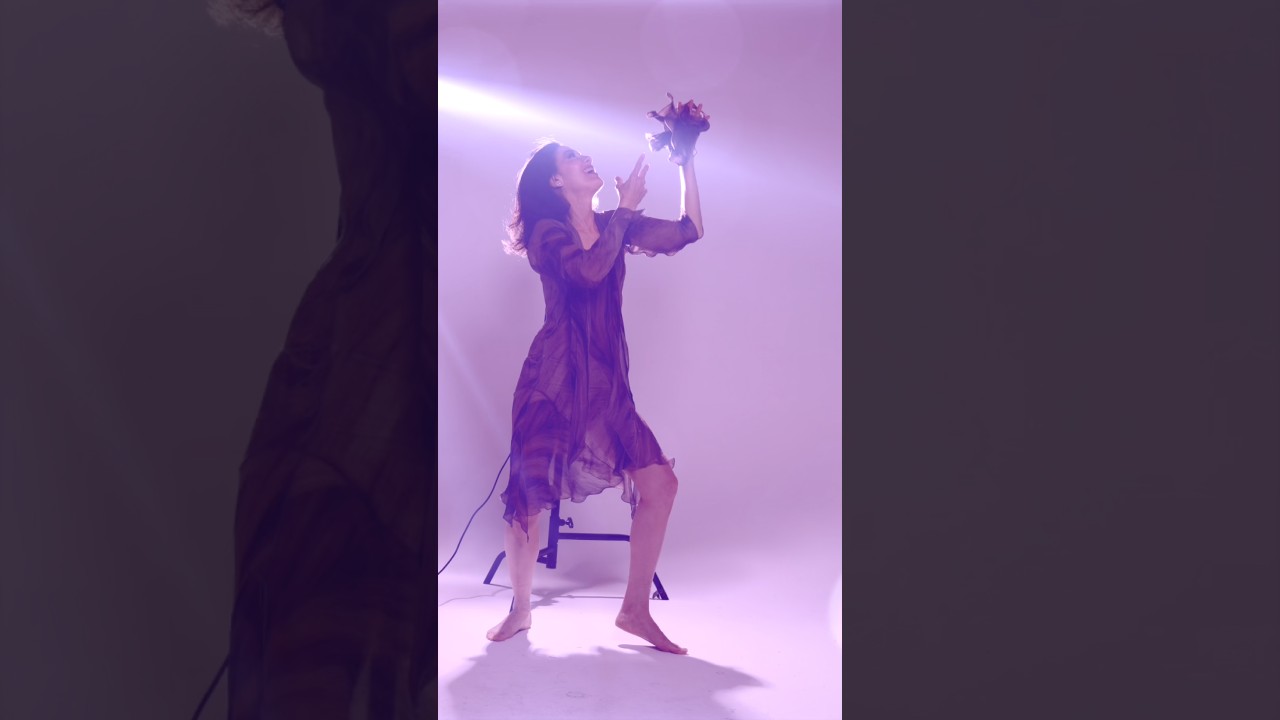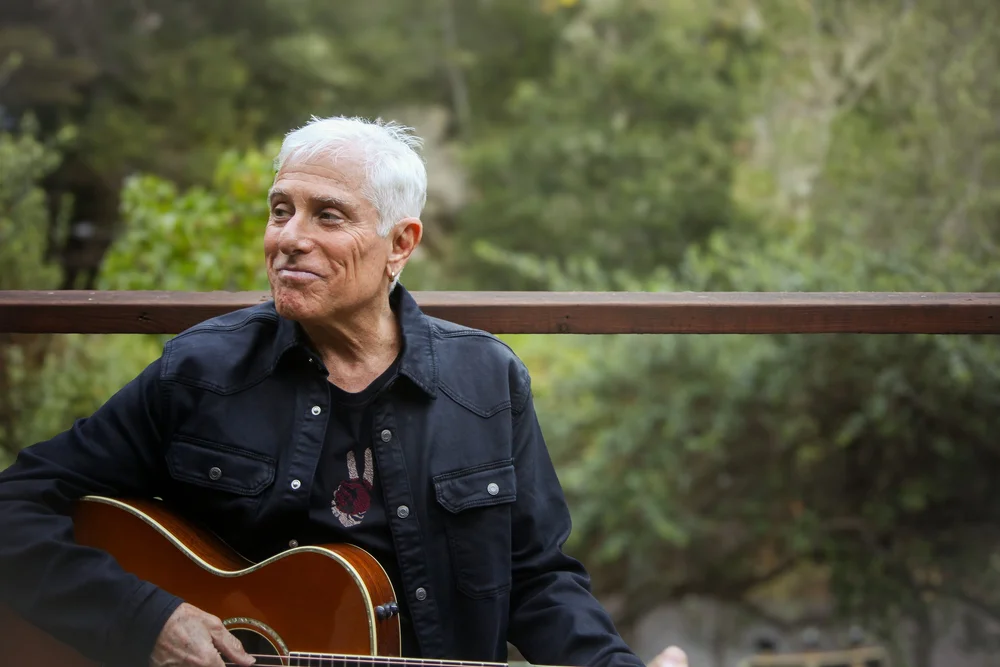
Ninety-one seconds. That is the whole arc of Jai Uttal's "Om Namah Shivaya Trance"—a distilled, devotional engine of sacred sound that moves with the speed and inevitability of a mantra entering the bloodstream. The piece is not a lecture or a teaching layered with explanation. It is a direct transmission: chant, repetition, and the listener's own capacity to surrender to the frequency and let it work.
The opening invocation, "Om Namah Shivaya," is among the oldest Sanskrit mantras in Hindu and yogic tradition. Broken down phonetically, the phrase translates roughly as "I bow to Shiva"—Shiva being the aspect of consciousness associated with dissolution, transformation, and the transcendent void from which all creation emerges. Om is the primordial sound, the vibration that is said to underlie all existence. Namah means reverence or salutation. Shivaya is the dative form, literally "to Shiva." Taken together, the mantra is an act of submission to transformative force itself.
What Uttal does across these 91 seconds is strip away everything except the essential machinery of the chant. There is no musical arrangement, no backing track, no pedagogical scaffolding. The voice rises and falls in waves—"नमः शिवाय, नमः शिवाय"—a call-and-response pattern that mirrors the structure of traditional kirtan, the devotional call-and-answer singing that has been woven through Indian spiritual practice for centuries. The repetition is deliberate. It is not meant to bore the listener into submission but to create a kind of cognitive bypass, a space where the thinking mind steps aside and the body, the breath, and the nervous system can attune to the frequency of the mantra itself.
How does repetition in chant work on the nervous system?
The mechanism is not mystical, though it can feel that way. Repetitive vocalization and listening activate the vagus nerve, the longest cranial nerve in the body, which governs the parasympathetic nervous system—the "rest and digest" state. When you chant or listen to rhythmic, tonal utterance with intention, your heart rate typically slows, your breathing deepens, and your cortisol levels drop. The practice has been studied by neuroscientists and validated in peer-reviewed literature: mantra repetition increases coherence in brain-wave activity and can induce states of deep relaxation and heightened awareness simultaneously. It is not that the words themselves possess magical power, but that the frequency, rhythm, and focused attention create measurable shifts in physiology and consciousness.
What makes Om Namah Shivaya specifically potent?
The mantra's power lies in its harmonic structure and its lineage. Om is understood in yoga and Vedantic philosophy as the fundamental vibration of the universe. When chanted, it activates the entire vocal range—the sound begins in the belly (the "O" sound), moves through the heart and throat (the "m" sound), and resolves in a silent vibration at the crown of the head. Namah Shivaya, by invoking Shiva, calls on the principle of transformation and dissolution—the necessary counterpart to creation and attachment. In the context of spiritual practice, this mantra is understood as a way of honoring and aligning with the forces of change and transcendence within one's own consciousness.
Jai Uttal's particular lineage carries this intention forward through the tradition of kirtan—devotional chanting rooted in Hindu and yogic practice but increasingly embraced across contemporary spiritual communities in the West. His voice in this recording is direct, unadorned, almost raw. There are no layers of production or aesthetic softening. What you hear is the voice and the mantra, and the invitation is simple: attune yourself to this frequency and let what happens, happen.
Why does ecstatic chant feel transcendent?
The term "ecstatic" points to a shift in consciousness that practitioners report during or after intensive chanting: a sense of dissolution of ego boundaries, an expansion beyond the ordinary sense of self, a felt connection to something larger. This can occur through a combination of factors: the hypnotic effect of repetition, the activation of the parasympathetic nervous system, the cultural and spiritual significance carried by the mantra, and the sheer power of sound vibration itself. When you enter into rhythmic, tonal utterance with full presence and intent, you are engaging multiple systems at once—nervous system, endocrine system, the subtle energy channels described in yoga philosophy. The result can feel like liberation, clarity, or a profound peace.
In Uttal's 91-second recording, the listener is not required to believe in any particular theology or cosmology. The invitation is experiential: press play, listen with an open nervous system, and notice what shifts. The mantra does not require permission or faith to work on the body. It simply requires attention.
Where to go from here
If "Om Namah Shivaya Trance" resonates with you, deepen the practice by exploring longer recordings of the mantra. Many kirtan artists, including Uttal himself, have recorded extended versions of this chant designed for extended meditation. You might also investigate the philosophical roots of the mantra by reading the Shiva Sutras or introductory texts on Kashmir Shaivism, the Tantric tradition that centrally honors Shiva consciousness. Finally, consider exploring live kirtan—group chanting events are increasingly available in cities and spiritual communities around the world, and the collective resonance of many voices chanting together amplifies the effect described here.