Circles of Perception: Navigating the Ocean of Understanding
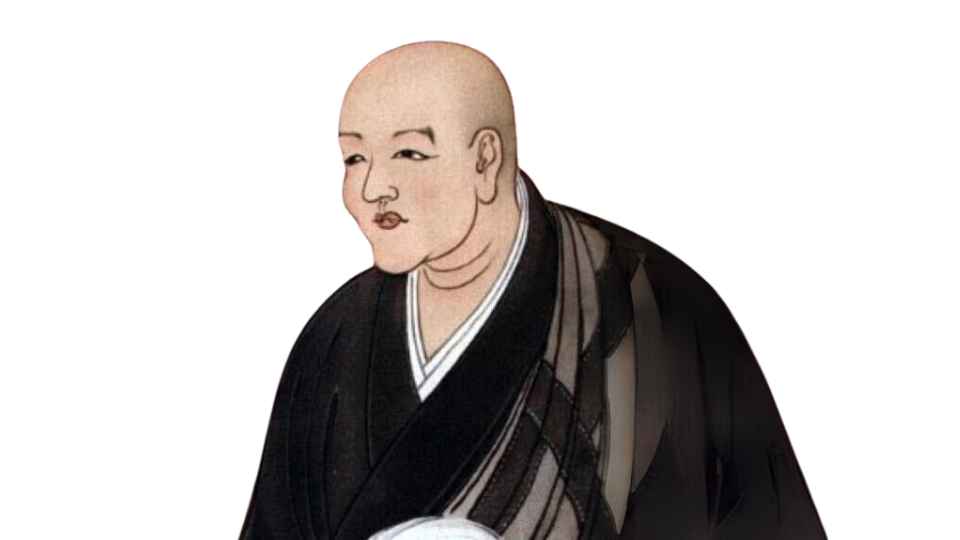
Dōgen's evocative observation invites us to consider how our perceptions shape our understanding of reality. When he describes sailing into an ocean where no land is visible, he illustrates the way our viewpoint can create a sense of confinement within a circular horizon. This metaphor speaks to the limitations of our perspective, urging us to recognize that what we see is often influenced by our position and context. The stakes of this realization are profound; they challenge us to expand our awareness and question the boundaries we impose on our understanding of the world.
In a deeper sense, Dōgen's words compel us to reflect on the nature of existence itself. The ocean, vast and seemingly infinite, represents the boundless nature of reality, while the circular view signifies the constricted lens through which we often perceive it. This dichotomy between the expansive and the limited is not merely a philosophical exercise; it has practical implications for how we engage with our lives, relationships, and spiritual practices. By contemplating this quote, we are invited to explore the interplay between perception and reality, and to seek a more profound understanding of our place within the cosmos.
The image / the metaphor
The imagery of sailing out into the ocean evokes a sense of adventure and exploration, yet it also conveys a feeling of isolation. The act of being on a boat, surrounded by water in all directions, creates a vivid picture of both freedom and confinement. The choice of the word "circular" is particularly striking; it suggests a limitation imposed by our viewpoint. This circularity can be interpreted as a metaphor for the habitual patterns of thought that often confine our understanding, trapping us in a repetitive cycle of perception that fails to grasp the vastness of existence.
In the speaker's tradition
Dōgen, a seminal figure in Zen Buddhism, invites us to explore the nature of perception through the lens of Zen teachings. Central to his philosophy is the concept of "shikantaza," or "just sitting," which emphasizes the importance of being fully present in the moment without attachment to thoughts or preconceived notions. This practice aligns with the idea of kenosis, or self-emptying, which encourages us to release our rigid perceptions and open ourselves to the fluidity of experience. In this way, Dōgen's teaching resonates with the Zen understanding of sunyata, or emptiness, which posits that our perceptions are shaped by the interplay of form and formlessness.
In his work "Genjokoan," Dōgen articulates the relationship between reality and perception, emphasizing that our understanding of the world is inherently tied to our state of mind. He writes, "To study the Buddha Way is to study the self; to study the self is to forget the self." This profound insight suggests that by letting go of our limited perceptions, we can begin to experience the vastness of existence, much like the sailor who, upon recognizing the circular horizon, may also come to understand the ocean's boundless nature. Dōgen's teachings encourage us to transcend our habitual ways of seeing, inviting us to engage with the world in a more expansive and liberated manner.
Living the teaching
Consider a modern scenario where this teaching might resonate: a person navigating a challenging career path. They may feel trapped in a circular pattern of dissatisfaction, unable to see beyond their immediate frustrations. By contemplating Dōgen's metaphor, they might begin to recognize that their perception of the situation is limited. Instead of viewing their career as a series of obstacles, they can shift their perspective to see it as an ocean of possibilities, where each wave of challenge can lead to growth and transformation. This shift in perception can empower them to take bold steps toward change, opening up new avenues for fulfillment.
In relationships, the application of Dōgen's teaching can be equally transformative. Imagine a couple facing recurring conflicts, feeling as though they are stuck in a circular argument. By embracing the idea that their perceptions may be limited, they can approach their discussions with a fresh perspective. Instead of defending their positions, they might practice active listening, seeking to understand each other's viewpoints more deeply. This willingness to expand their perceptions can lead to greater empathy and connection, allowing them to navigate their relationship with newfound clarity and compassion.
A reflection
As we contemplate Dōgen's profound insight, we are left with a contemplative question: In what areas of your life do you find yourself perceiving the world as circular, and how might you open yourself to the vast ocean of possibilities that lie beyond your current viewpoint? This inquiry invites us to explore the limitations we impose on ourselves and encourages us to seek a deeper understanding of our experiences. By engaging with this question, we can begin to navigate the waters of our lives with greater awareness and openness, allowing the infinite nature of existence to unfold before us.


