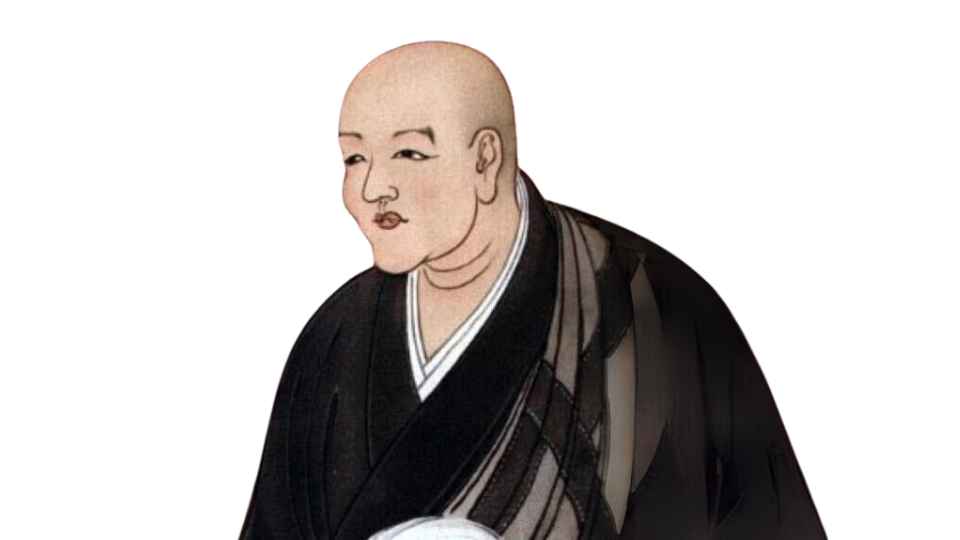
The Intimacy of Truth: Dōgen's Profound Insight
In the succinct yet profound words of Dōgen, "It is nearer than near," we are invited to explore the intimate relationship between ourselves and the truth of existence. This statement, while seemingly simple, carries profound implications for our understanding of reality, self, and the nature of our spiritual practice. Dōgen, a pivotal figure in Zen Buddhism, urges us to recognize that the truth we seek is not distant or elusive; rather, it is intimately woven into the fabric of our being and our everyday experiences. This realization holds the potential to transform our spiritual journey, urging us to look within rather than searching externally for enlightenment.
As we delve deeper into this quote, we uncover layers of meaning that challenge our conventional perceptions of distance and separation. Dōgen's assertion prompts us to reconsider our relationship with truth, suggesting that it is not a distant goal to be achieved but a present reality to be recognized. This perspective invites us to engage with our practice in a more immediate and personal way, fostering a sense of connection and intimacy with the essence of our existence. In a world often characterized by distraction and disconnection, Dōgen's words serve as a gentle reminder that the truth we seek is always closer than we might think.
The image / the metaphor
The phrase "nearer than near" evokes a sense of immediacy and closeness that is both comforting and challenging. The imagery suggests that truth is not a far-off destination, but rather something that envelops us, residing in the very core of our being. The choice of the word "nearer" implies a relational quality, indicating that our understanding of truth is not merely an intellectual pursuit but an experiential one. This felt sense of proximity invites us to engage with our lives and practices in a way that acknowledges the ever-present nature of truth, urging us to cultivate awareness and presence in each moment.
In the speaker's tradition
To fully appreciate Dōgen's insight, we must situate it within the broader context of Zen Buddhism and its teachings. Central to this tradition is the concept of *sunyata*, or emptiness, which invites practitioners to recognize the inherent interconnectedness of all phenomena. Dōgen's assertion that truth is "nearer than near" resonates with the understanding that our perceptions of self and other are often clouded by delusion. By cultivating *prajna*, or wisdom, we can pierce through these illusions and experience the truth that is always present, waiting to be acknowledged.
In his seminal work, *Fukanzazengi*, Dōgen emphasizes the importance of zazen, or seated meditation, as a means to realize this truth. He writes about the necessity of practice in uncovering the profound nature of existence, suggesting that through dedicated engagement with our inner lives, we can come to understand the immediacy of truth. This echoes the teachings found in other Zen texts, such as the *Heart Sutra*, which articulates the idea that form and emptiness are not separate but are, in fact, one and the same. Dōgen's words remind us that the path to truth is not a linear journey but a continuous unfolding of awareness and presence.
Living the teaching
In our modern lives, the teaching encapsulated in Dōgen's quote can manifest in various ways. Consider a moment of frustration or confusion, perhaps during a challenging conversation with a loved one. In such instances, we often feel a sense of distance from our own truth, as if it is something we must strive to attain. However, by embodying Dōgen's insight, we can shift our perspective and recognize that the truth of our feelings and experiences is already present. This awareness allows us to engage more authentically, fostering deeper connections and understanding in our relationships.
Another application of this teaching can be found in our daily practices, such as mindfulness or meditation. When we sit in stillness, we may initially feel a sense of separation from our thoughts and emotions, perceiving them as obstacles to our peace. Yet, by embracing the notion that truth is "nearer than near," we can cultivate a sense of intimacy with our inner landscape. This practice encourages us to observe our thoughts without judgment, recognizing that they are part of the ever-present reality of our experience. In doing so, we can transform our relationship with ourselves, allowing for greater acceptance and compassion.
A reflection
As we contemplate Dōgen's profound insight, we are left with a contemplative question that invites deeper exploration: How might our lives change if we truly believed that the truth we seek is already within us, waiting to be recognized? This question encourages us to reflect on our own experiences of searching for truth, prompting us to consider the ways in which we may have overlooked the immediacy of our own existence. In embracing this inquiry, we open ourselves to the possibility of discovering the richness of life that is always present, inviting us to live with greater awareness and connection.


