The Breath of Existence: Water, Air, and Our Interconnectedness
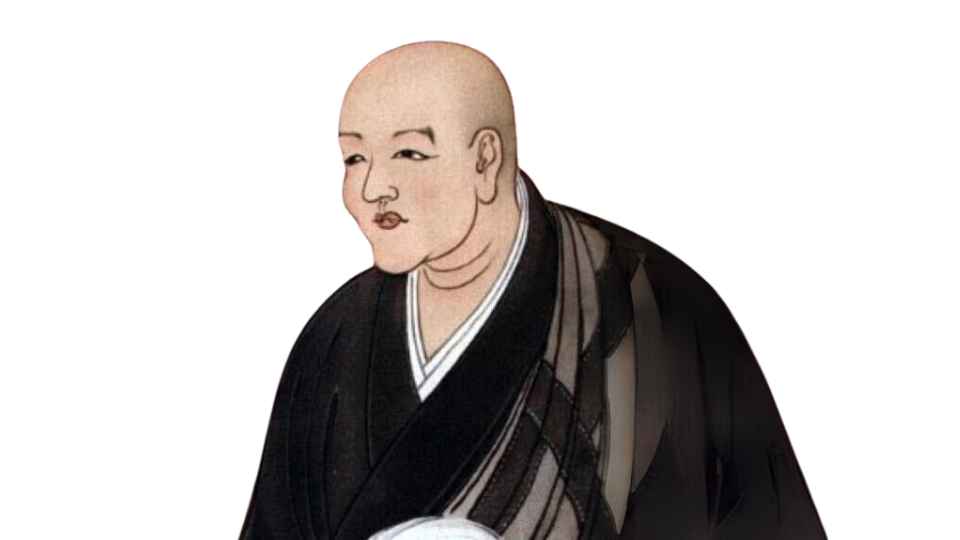
In the profound simplicity of Dōgen's assertion, "Know that water is life, and air is life," we are invited to reflect on the elemental forces that sustain our very being. This statement transcends mere observation; it beckons us to recognize our deep interdependence with the natural world. In a time when the complexities of modern life often obscure our connection to these vital elements, Dōgen's words serve as a reminder of the fundamental truths that ground us in existence.
To understand the weight of Dōgen's message, we must delve into the essence of life itself. Water and air are not just physical substances; they symbolize the nurturing qualities of existence that sustain us. They embody the essence of belonging, reminding us that we are not isolated entities but rather integral parts of a larger tapestry of life. This realization can awaken a sense of gratitude and responsibility, urging us to honor and protect the very elements that sustain us.
The image / the metaphor
At first glance, Dōgen's words evoke a vivid imagery of water flowing and air moving, both essential for life. Water, with its fluidity, represents adaptability and nourishment, while air signifies breath and the vital force that connects all living beings. The verbs "know" and "is" in his statement invite us to engage with these elements not just intellectually but viscerally, as they are the very fabric of our existence. This felt sense of life is a call to awareness, urging us to recognize the sacredness in the mundane.
Dōgen's metaphor extends beyond the physical realm; it speaks to the interconnectedness of all things. Water and air are not merely resources to be consumed; they are life-giving forces that reflect the essence of our relationships with one another and the world around us. In Zen practice, this understanding fosters a sense of belonging, urging us to cultivate a mindful awareness of how our actions impact the delicate balance of life. The metaphor invites us to breathe deeply, to flow with the currents of existence, and to recognize the sacredness inherent in every moment.
In the speaker's tradition
Dōgen, a pivotal figure in Zen Buddhism, emphasizes the importance of direct experience and the realization of interconnectedness within his teachings. His philosophy resonates with concepts such as sunyata, or emptiness, which suggests that all phenomena are interdependent and devoid of inherent existence. This understanding aligns with the notion of kenosis, or self-emptying, where one relinquishes the ego to embrace the fullness of life as it is. In recognizing that water and air are life, we are invited to experience the world without the filters of attachment and separation.
In his seminal work, "Genjokoan," Dōgen explores the nature of reality and the relationship between self and the world. He writes, "To study the Buddha Way is to study the self; to study the self is to forget the self." This profound insight echoes the essence of his quote, as it encourages us to dissolve the boundaries that separate us from the elements that sustain us. By immersing ourselves in the experience of water and air, we come to understand the interconnectedness of all beings and the importance of living in harmony with the natural world.
Living the teaching
Consider a modern scenario where Dōgen's teaching resonates deeply: a bustling city dweller navigating the chaos of daily life. In the midst of concrete and steel, one might find solace in a nearby park, where the gentle rustle of leaves and the sound of flowing water provide a moment of respite. Here, the individual can pause to breathe deeply, allowing the air to fill their lungs and the water to remind them of life's fluidity. This simple act of connecting with nature serves as a powerful reminder of the elemental forces that sustain us, grounding the individual in a sense of belonging and gratitude.
In the context of relationships, Dōgen's teaching can illuminate the dynamics of connection and support. Imagine a moment of conflict with a loved one, where misunderstandings create distance. By embodying the essence of water and air, one can approach the situation with a spirit of openness and adaptability. Just as water flows around obstacles, so too can we navigate the complexities of human interaction with compassion and understanding. This practice of embodying the elements fosters deeper connections, allowing us to cultivate a sense of belonging that transcends individual differences.
A reflection
As we contemplate Dōgen's profound assertion, we are invited to ask ourselves: How do I honor the elements of water and air in my daily life? This question encourages us to reflect on our relationship with the natural world and the ways in which we can cultivate a deeper sense of belonging. By engaging with this inquiry, we open ourselves to the possibility of living more harmoniously with the elements that sustain us, fostering a greater appreciation for the interconnectedness of all life.


