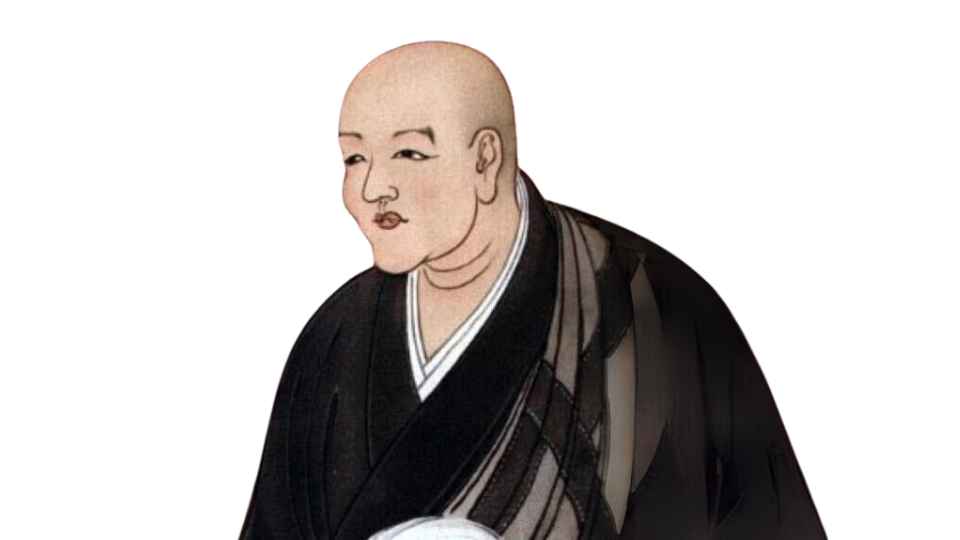
The Ease of Being: Embracing Non-Seeking in Dōgen's Wisdom
Dōgen's assertion, "There is no need to chase after it," invites us to reconsider our relationship with truth and fulfillment. In a world that often equates worth with relentless striving, this quote serves as a gentle reminder that what we seek may already be present within us. The stakes are high; our habitual chasing can lead to a life of dissatisfaction, where the essence of our being remains obscured by the noise of desire and ambition.
To deepen our understanding, we must recognize that this teaching is not merely about the cessation of pursuit but about the profound realization that truth and contentment are not external commodities to be acquired. Dōgen's wisdom encourages us to cultivate a state of ease, where we can rest in the present moment without the incessant need to grasp or attain. This perspective shifts our focus from a future-oriented mindset to one that embraces the fullness of now, allowing us to experience life in its entirety.
The image / the metaphor
The imagery in Dōgen's quote evokes a sense of calm and stillness. The verb "chase" suggests a frantic, often exhausting pursuit, while the phrase "no need" offers a liberating invitation to pause. This juxtaposition creates a felt sense of relief, as if we are being gently urged to lay down our burdens and simply be. The act of chasing implies a distance between ourselves and what we seek, reinforcing the illusion that fulfillment lies somewhere beyond our reach.
In the speaker's tradition
Situated within the Zen tradition, Dōgen's teaching resonates with the concept of *sunyata*, or emptiness, which emphasizes the interdependent nature of all things. This understanding invites us to recognize that our desires and pursuits are often rooted in a sense of separation from the world around us. By embracing non-seeking, we align ourselves with the fundamental nature of reality, where the boundaries between self and other dissolve, revealing the interconnectedness of all existence.
Moreover, Dōgen's insights can be likened to the practice of *zazen*, or seated meditation, where the practitioner learns to rest in the present moment without striving for any particular outcome. In his seminal work, *Fukanzazengi*, Dōgen articulates the importance of simply sitting, allowing thoughts and distractions to arise and pass away without attachment. This practice embodies the essence of non-seeking, teaching us that in stillness, we may encounter the profound truth of our own being.
Living the teaching
Consider a modern scenario where this teaching can be applied: the relentless pursuit of success in one's career. Many individuals find themselves caught in a cycle of ambition, believing that happiness lies just beyond the next promotion or accolade. In this context, Dōgen's wisdom serves as a powerful reminder to pause and reflect on the present moment. By recognizing that fulfillment does not solely reside in future achievements, one can cultivate a sense of contentment and purpose in their current role, allowing for a more authentic engagement with work and life.
Another application of this teaching may arise in the realm of relationships. Often, we chase after validation or approval from others, believing that our worth is contingent upon their perceptions. Dōgen's invitation to cease the chase encourages us to embrace our inherent value, fostering deeper connections based on authenticity rather than neediness. In moments of conflict or misunderstanding, this perspective allows us to respond with compassion and understanding, rather than defensiveness, creating space for healing and growth.
A reflection
As we contemplate Dōgen's profound teaching, we are invited to explore the nature of our own pursuits. What are the things we find ourselves chasing after, and how might we begin to let go of that chase? In this moment of reflection, consider the question: How can I cultivate a sense of ease and presence in my life, allowing truth to unfold naturally rather than striving to attain it?


