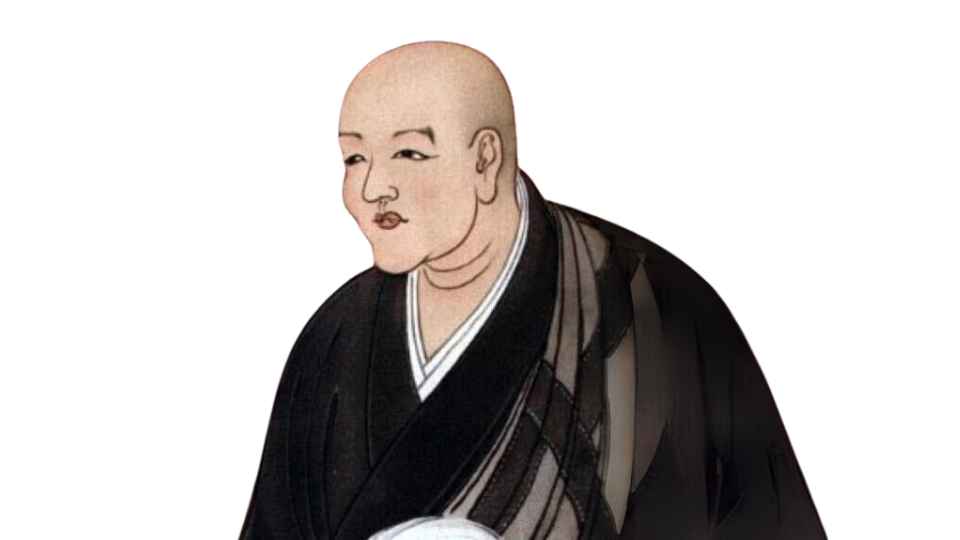
The Art of Being: Embracing the Essence of Zazen
Dōgen's assertion that "This is the essential art of zazen" invites us to explore the profound depths of Zen meditation. In this simple yet profound statement, he encapsulates the essence of zazen, or seated meditation, as not merely a practice but an art form that requires dedication, presence, and an understanding of one's own being. This matters because in a world often filled with distractions and superficial engagements, the art of zazen offers a pathway to deeper self-awareness and connection to the present moment.
To grasp the significance of Dōgen's words, we must delve into the nature of zazen itself. It is not just a technique for relaxation or stress relief; it is a transformative practice that invites us to engage with our thoughts, emotions, and the very fabric of existence. By framing zazen as an art, Dōgen emphasizes the creativity and skill involved in cultivating a mindful presence, suggesting that this practice is as much about the journey as it is about the destination. In this light, zazen becomes a canvas upon which we paint our understanding of life, presence, and the interconnectedness of all things.
The image / the metaphor
The phrase "the essential art of zazen" conjures images of stillness and focus, where the act of sitting becomes a profound engagement with the self. The word "art" implies a level of mastery and creativity, suggesting that zazen is not a rigid formula but a fluid expression of one's inner landscape. The choice of the word "essential" further emphasizes that this practice is foundational, a core aspect of Zen that transcends mere technique and touches upon the very nature of existence itself.
Dōgen's metaphor of zazen as an art form invites us to consider the subtleties involved in the practice. Just as a painter must understand color, form, and technique, so too must a practitioner of zazen cultivate awareness, patience, and presence. This metaphor extends beyond the physical act of sitting; it encompasses the entire experience of being, where each breath, thought, and sensation becomes a brushstroke on the canvas of our consciousness. In this way, zazen is not just about achieving a state of calm but about engaging with the full spectrum of our human experience.
In the speaker's tradition
Dōgen, a pivotal figure in the Soto school of Zen, rooted his teachings in the profound understanding of dharma and the nature of reality. His emphasis on zazen reflects the Zen principle of direct experience, where one encounters the truth of existence through mindful presence. Concepts such as sunyata, or emptiness, resonate deeply within this context, as zazen allows practitioners to confront the illusion of a separate self and embrace the interconnectedness of all beings. In this way, Dōgen's teachings invite us to engage in a process of kenosis, or self-emptying, where we let go of preconceived notions and open ourselves to the fullness of the present moment.
In his seminal work, the "Fukanzazengi," Dōgen articulates the importance of zazen as a means of realizing one's true nature. He writes about the necessity of sitting with a clear mind, free from distractions, to experience the essence of reality. This aligns with the Zen practice of prajna, or wisdom, which arises from direct experience rather than intellectual understanding. Dōgen's teachings encourage us to immerse ourselves fully in the practice of zazen, allowing it to reveal the depths of our being and the interconnectedness of all life.
Living the teaching
Consider a modern scenario where the art of zazen can be applied: a busy professional navigating the demands of work and personal life. In the midst of deadlines and responsibilities, the practice of zazen offers a refuge, a moment to pause and reconnect with oneself. By dedicating time to sit in stillness, one can cultivate clarity and focus, transforming the chaos of daily life into a mindful engagement with the present. This practice not only enhances productivity but also fosters a deeper sense of well-being, allowing the individual to approach challenges with a calm and centered mind.
In the realm of relationships, the essence of zazen can also play a transformative role. Imagine a moment of conflict with a loved one, where emotions run high and communication falters. By embodying the principles of zazen—patience, presence, and non-attachment—one can navigate the situation with greater awareness. Instead of reacting impulsively, the practice encourages a pause, allowing for reflection and a more compassionate response. This approach not only deepens the connection between individuals but also cultivates a space for healing and understanding, illustrating how the art of zazen permeates all aspects of life.
A reflection
As we contemplate Dōgen's assertion about the essential art of zazen, we are invited to reflect on our own relationship with stillness and presence. How often do we allow ourselves the space to simply be, to engage with our thoughts and feelings without judgment? In a world that often prioritizes busyness and distraction, the practice of zazen beckons us to explore the depths of our own being. What might we discover if we embraced the art of zazen in our daily lives, allowing it to guide us toward a more profound understanding of ourselves and our connection to the world around us?


