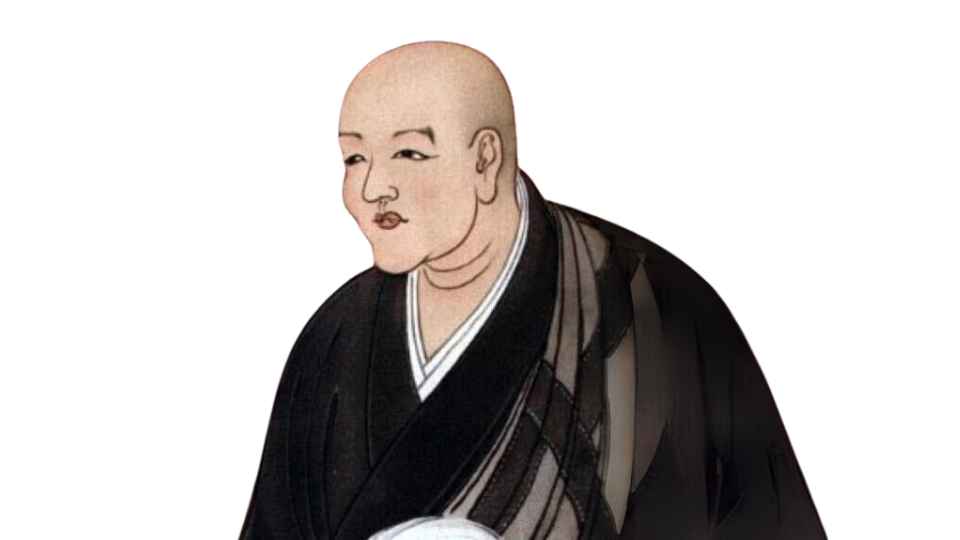
Discovering the Self Through the Buddha Way
Dōgen's assertion, "To learn the Buddha way is to learn yourself," invites us into a profound exploration of self-awareness and inner truth. This statement suggests that the path of enlightenment is not merely an external journey but an intimate, internal one. The stakes are high; understanding ourselves is essential for genuine transformation and spiritual growth. In a world often preoccupied with external validation and distractions, this teaching beckons us to turn inward, to confront the complexities of our own being.
As we delve deeper into this quote, we recognize that learning the Buddha way encompasses a holistic approach to self-discovery. It implies that the teachings of the Buddha are not separate from our personal experiences; rather, they are intricately woven into the fabric of our lives. This journey of self-learning is not linear or straightforward; it is filled with challenges, revelations, and moments of clarity that can lead us to a more profound understanding of our true nature. In this light, Dōgen’s words resonate as a call to engage with our inner landscapes and to embrace the transformative power of self-knowledge.
The image / the metaphor
The imagery in Dōgen's quote evokes a sense of journey and discovery. The phrase "to learn the Buddha way" suggests an active process, one that requires engagement and commitment. The verb "learn" implies that this is not a passive experience; it is a dynamic unfolding of understanding that requires effort and introspection. The notion of "learning yourself" further emphasizes the intimate connection between the teachings of Buddhism and our personal experiences, suggesting that the path to enlightenment is deeply personal and reflective.
In the speaker's tradition
Dōgen, a pivotal figure in Zen Buddhism, emphasizes the interconnectedness of self and the universe in his teachings. His philosophy is rooted in the concept of "shikantaza," or "just sitting," which encourages practitioners to engage fully with their present experience without attachment or distraction. This practice aligns with the idea of self-learning, as it invites individuals to observe their thoughts and feelings without judgment, fostering a deeper understanding of their true nature. In this context, the journey of learning oneself is a path toward realizing the interconnectedness of all beings, a core tenet of Buddhist thought.
In his seminal work, "Genjokoan," Dōgen articulates the profound relationship between practice and enlightenment. He writes, "To study the Buddha way is to study the self. To study the self is to forget the self." This paradox highlights the transformative nature of self-inquiry, suggesting that as we deepen our understanding of ourselves, we begin to dissolve the boundaries that separate us from others and from the world around us. This dissolution is not an erasure of identity but a recognition of the fluidity and interconnectedness of existence, a theme that resonates throughout the Zen tradition.
Living the teaching
Consider a modern scenario where this teaching can be applied: a person grappling with feelings of inadequacy in their professional life. They may find themselves constantly comparing their achievements to those of their colleagues, leading to a cycle of self-doubt and anxiety. By embracing Dōgen's teaching, this individual can begin to shift their focus inward, using mindfulness practices to explore the roots of their feelings. Through this introspective journey, they may uncover deeper insights about their values, aspirations, and the societal pressures that shape their self-perception, ultimately leading to a more authentic and fulfilling professional identity.
In another context, imagine a relationship strained by misunderstandings and unspoken grievances. By applying the principle of learning oneself, both partners can engage in open dialogue, reflecting on their own feelings and motivations. This process of self-exploration can foster empathy and compassion, allowing them to navigate their differences with greater understanding. In this way, Dōgen's teaching becomes a tool for healing and connection, reminding us that the path to understanding others often begins with a deeper understanding of ourselves.
A reflection
As we contemplate Dōgen's profound statement, we are invited to ask ourselves: In what ways can I turn inward to better understand my own thoughts, feelings, and motivations? This question encourages us to engage in a practice of self-inquiry, fostering a deeper connection with our inner selves. By embracing this journey of self-discovery, we open ourselves to the possibility of transformation, not only within ourselves but also in our relationships and interactions with the world around us.


