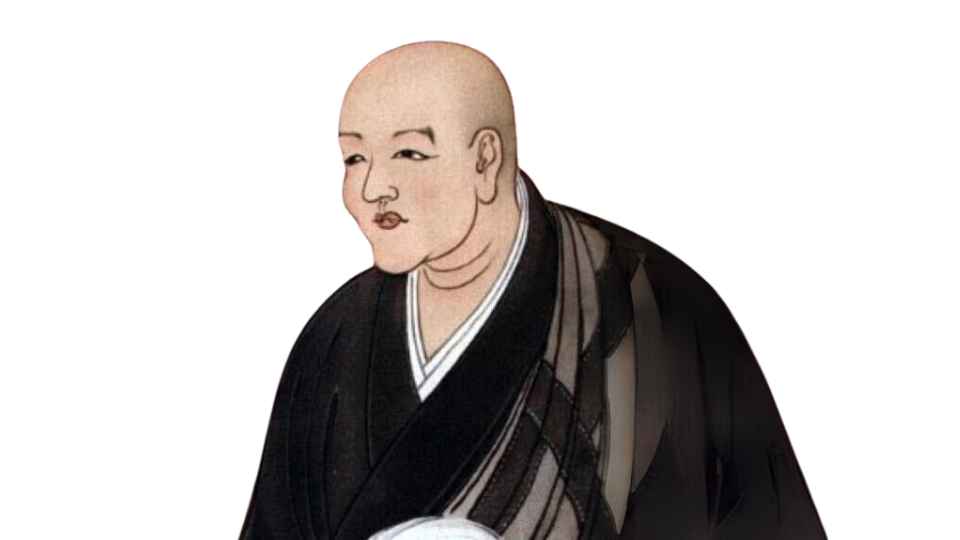
The Intimacy of Truth: Dōgen's Insight
“Truth is not far away.” In this succinct statement, Dōgen invites us to reconsider our relationship with truth, suggesting that it is not an elusive concept to be chased or sought after in distant realms. Instead, he implies that truth is intimately close, residing within our immediate experience. This perspective is vital in a world often clouded by distractions and misconceptions, where the search for truth can feel like a daunting journey. Recognizing the nearness of truth can transform our understanding of existence and our place within it.
As we delve deeper into Dōgen's assertion, we begin to appreciate the profound implications of his words. The notion that truth is not far away encourages us to cultivate a sense of presence and awareness in our daily lives. It challenges the common belief that truth is something to be discovered through external validation or intellectual pursuit. Instead, Dōgen points us toward an inner exploration, suggesting that by turning our attention inward, we may uncover the truths that have always been present, waiting to be acknowledged and embraced.
The image / the metaphor
At first glance, Dōgen's quote evokes a sense of immediacy and accessibility. The phrase “not far away” conjures images of proximity, suggesting that truth is not a distant star to be reached but rather a familiar companion. The choice of words emphasizes the idea that truth is woven into the fabric of our everyday lives, waiting for us to recognize it. This imagery invites us to consider how often we overlook the simple truths that surround us, believing instead that they exist only in abstract concepts or distant philosophies.
Delving deeper into the metaphor, we can see that Dōgen's words challenge the dualistic thinking that often separates us from our experience. By asserting that truth is near, he encourages us to dissolve the barriers we erect between ourselves and our understanding of reality. This nearness suggests a relationship of intimacy, where truth is not an object to be grasped but a living presence that invites us into a deeper engagement with our own lives. It is a call to recognize that the essence of truth is found in the very act of being present, fully engaged with the moment at hand.
In the speaker's tradition
To fully appreciate Dōgen's insight, we must situate it within the rich tapestry of Zen Buddhism. Dōgen, as a pivotal figure in this tradition, emphasizes concepts such as *shikantaza* (just sitting) and *sunyata* (emptiness), both of which resonate with the idea that truth is found in the present moment. In Zen, the pursuit of truth is not about accumulating knowledge but rather about experiencing reality as it is, free from the distortions of preconceived notions and attachments. This intimate relationship with truth aligns with the Zen understanding of *prajna*, or wisdom, which arises from direct experience rather than intellectual analysis.
Moreover, Dōgen's teachings echo the sentiments found in other Zen texts, such as the *Heart Sutra*, which articulates the profound realization that form is emptiness and emptiness is form. This interdependence of truth and experience invites practitioners to see beyond the surface of things, recognizing that what we perceive is intricately connected to our understanding of reality. In this light, Dōgen's assertion that truth is not far away becomes a guiding principle for those seeking to engage deeply with their own lives and the world around them.
Living the teaching
Consider a modern scenario where Dōgen's teaching might resonate: a busy professional feeling overwhelmed by the demands of work and life. In this context, the individual may perceive truth as something to be achieved through success or recognition, leading to a constant chase for external validation. However, by embracing Dōgen's insight that truth is not far away, this person can shift their focus inward, recognizing that the essence of truth lies in their ability to be present and mindful amidst the chaos. This realization can lead to a profound sense of peace and clarity, allowing them to navigate their responsibilities with greater ease and authenticity.
In a different application, consider a relationship strained by misunderstandings and unspoken grievances. Here, the partners may feel that truth is elusive, hidden beneath layers of resentment and miscommunication. Dōgen's teaching invites them to engage in open dialogue, to explore their feelings with honesty and vulnerability. By recognizing that truth is not far away, they can cultivate a deeper intimacy, allowing them to reconnect and understand each other in a way that transcends their previous conflicts. This practice of presence and honesty can transform their relationship, revealing the truths that have always been present but unacknowledged.
A reflection
As we contemplate Dōgen's profound assertion that “truth is not far away,” we are invited to reflect on our own relationship with truth in our lives. How often do we overlook the simple, immediate truths that surround us, seeking instead for answers in distant philosophies or external validations? In what ways can we cultivate a deeper awareness of the truths present in our daily experiences? Allow this contemplation to guide you toward a more intimate understanding of your own life and the world around you.


