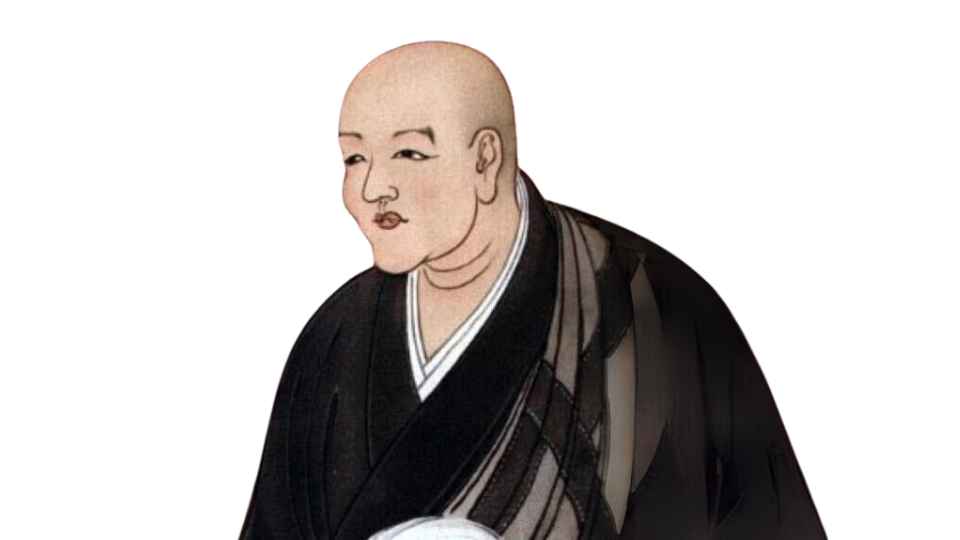
The Unveiling of Naturalness: Dōgen's Insight on Buddha Nature
Dōgen's assertion that "when buddhas are truly buddhas, they don't need to perceive themselves as buddhas" invites us to contemplate the essence of enlightenment and the nature of self-perception. This profound statement suggests that true realization transcends the need for self-identification or validation. In a world often driven by ego and self-awareness, this teaching challenges us to explore the depths of our being, urging us to recognize that enlightenment is not a badge to wear but a state of being that exists beyond the confines of self-reference.
At its core, this quote beckons us to consider the relationship between our identity and our inherent nature. Dōgen, a pivotal figure in Zen Buddhism, emphasizes the importance of naturalness and spontaneity in the realization of one's true self. The implications of this teaching extend beyond mere philosophical musings; they touch the very fabric of how we navigate our lives, our relationships, and our understanding of existence itself. To grasp this wisdom is to embark on a journey toward authenticity, where the essence of being is not clouded by the need for recognition or affirmation.
The image / the metaphor
The imagery within Dōgen's quote evokes a sense of liberation from the constraints of self-awareness. The term "buddha" signifies not just an enlightened being but a state of profound understanding and realization. By stating that true buddhas do not need to perceive themselves as such, Dōgen highlights the paradox of enlightenment: it is both a realization and a relinquishing. The verbs chosen—"perceive" and "need"—suggest a dynamic interplay between awareness and attachment, where the act of self-identification becomes a hindrance rather than a help.
Dōgen's metaphor extends into the realm of spontaneity, where the buddha embodies a natural flow of existence, unencumbered by the weight of self-concept. This spontaneity is not chaotic but rather a harmonious expression of one's true nature. In this light, the buddha is akin to a flower blooming in its season, not striving to be seen or recognized but simply being. The essence of this metaphor invites us to reflect on our own lives: how often do we find ourselves caught in the web of self-perception, striving for acknowledgment rather than simply existing in our authenticity?
In the speaker's tradition
Dōgen's teachings are deeply rooted in the Zen tradition, which emphasizes direct experience and the realization of one's true nature. Central to this tradition is the concept of *sunyata*, or emptiness, which suggests that all phenomena lack inherent existence. This aligns with Dōgen's assertion that the buddha does not cling to a self-image; rather, true enlightenment arises from the understanding that the self is a construct, a transient manifestation of the greater whole. In this context, the notion of *kenosis*, or self-emptying, becomes relevant, as it reflects the process of letting go of ego and the need for self-definition.
Living the teaching
Consider a modern scenario where this teaching might resonate: a professional striving for recognition in their career. In the pursuit of accolades and validation, they may find themselves increasingly anxious and disconnected from their true passions. Dōgen's insight encourages this individual to step back and reflect on their motivations. By letting go of the need for external validation, they can reconnect with their intrinsic motivations and find fulfillment in the work itself, rather than in the accolades it may bring.
A reflection
As we contemplate Dōgen's profound statement, we are invited to explore the nature of our own self-perception. How often do we find ourselves clinging to identities or roles that may not reflect our true essence? In what ways can we practice letting go of the need for recognition, allowing ourselves to simply be? This contemplation opens the door to a deeper understanding of our existence, inviting us to embrace the spontaneity and naturalness that lie at the heart of our being.