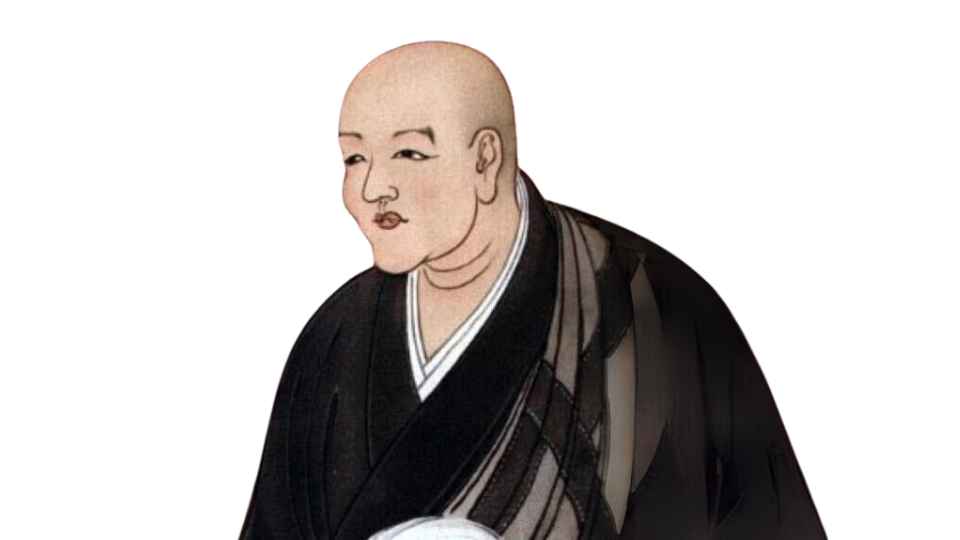
The Paradox of Fullness: Embracing the Void in Dōgen's Wisdom
Dōgen's assertion that "when dharma fills your body and mind, you understand that something is missing" invites us to explore the intricate relationship between fullness and emptiness in our spiritual lives. At first glance, this statement may seem contradictory; how can one feel a sense of lack when immersed in the very essence of dharma? Yet, this paradox is central to the Zen experience, urging us to confront the deeper layers of our existence and the inherent tensions that accompany our journey toward enlightenment.
This quote serves as a profound reminder that spiritual fulfillment is not merely about accumulation or achievement. Instead, it points to a deeper understanding of the self and the universe, where the realization of fullness often leads to an awareness of the void that lies beneath. In this light, Dōgen invites us to engage with our spiritual practice not as a means to an end, but as a continuous exploration of what it means to be human, to seek, and to understand the nature of our existence.
The image / the metaphor
Dōgen's words evoke a vivid image of a vessel brimming with water, yet somehow still feeling incomplete. The use of "fills" suggests an overflowing abundance, while "understand" implies a cognitive recognition that transcends mere intellectual grasp. This interplay between fullness and the sensation of something missing creates a felt sense of tension, a dynamic that resonates deeply within the human experience. It is as if Dōgen is pointing to a profound truth: that even in moments of spiritual richness, there exists a subtle yearning that beckons us to delve deeper.
In the speaker's tradition
Within the context of Zen Buddhism, Dōgen's insights are deeply rooted in the concepts of dharma and sunyata, or emptiness. Dharma, often understood as the teachings of the Buddha, encompasses the truth of existence and the path to liberation. Sunyata, on the other hand, invites us to recognize the emptiness inherent in all phenomena, challenging our attachments and preconceived notions. Dōgen's statement reflects this intricate dance between fullness and emptiness, suggesting that true understanding arises when we confront the limitations of our perceptions and the transient nature of our experiences.
In his seminal work, "Genjokoan," Dōgen elaborates on the nature of reality and the importance of direct experience. He emphasizes that the realization of dharma is not a static achievement but a dynamic process of awakening. This aligns with the Zen practice of zazen, or seated meditation, where practitioners cultivate awareness of the present moment, allowing insights to arise naturally. Through this lens, Dōgen's quote becomes a call to engage deeply with our practice, recognizing that the journey toward understanding is ongoing and that the sense of something missing can lead us to profound insights.
Living the teaching
Consider a modern scenario where an individual immerses themselves in a spiritual practice, perhaps attending retreats, reading sacred texts, or engaging in meditation. Initially, they may experience a sense of fulfillment, feeling connected to something greater than themselves. However, as they delve deeper into their practice, they may begin to sense an underlying emptiness—a realization that despite their efforts, something essential remains elusive. This moment of recognition can be disorienting, yet it is precisely this discomfort that can lead to transformative growth, prompting them to explore the depths of their being and the nature of their desires.
In the context of relationships, Dōgen's teaching can manifest in moments of conflict or disconnection. Imagine a couple who, despite their love for one another, find themselves struggling to communicate effectively. They may feel a sense of fullness in their bond yet simultaneously recognize a gap in understanding. This awareness can serve as an impetus for deeper dialogue, encouraging them to confront their vulnerabilities and assumptions. By embracing the discomfort of this realization, they can cultivate a more profound connection, ultimately enriching their relationship and fostering a greater sense of empathy and compassion.
A reflection
As we contemplate Dōgen's profound insight, we are invited to reflect on our own experiences of fullness and emptiness. What does it mean for you to feel complete, and yet aware of something missing? In what areas of your life might this tension be present, and how can you embrace it as an opportunity for growth and understanding? Allow this contemplation to guide you toward a deeper exploration of your own spiritual journey, recognizing that the path to enlightenment is often marked by paradox and the continuous unfolding of awareness.


