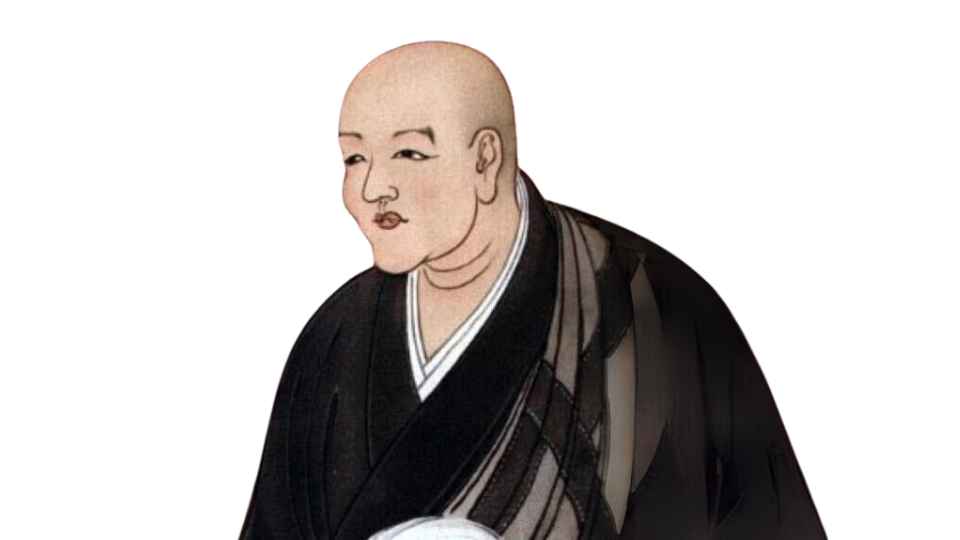
The Dance of Light and Shadow: Embracing Paradox in Dōgen's Wisdom
In the profound words of Dōgen, "When one side is illuminated, the other is dark." This statement encapsulates a fundamental truth about existence: the interplay of light and darkness, knowledge and ignorance, joy and sorrow. It invites us to reflect on the dualities that shape our lives and the necessity of embracing both sides of our experience. Understanding this paradox is essential for spiritual growth, as it encourages us to seek balance and acceptance in a world that often feels divided.
Delving deeper into this quote reveals a rich tapestry of meaning that transcends mere observation. Dōgen, a pivotal figure in Zen Buddhism, urges us to recognize that illumination does not exist in isolation; rather, it is defined by its counterpart, darkness. This interplay is not merely a philosophical concept but a lived reality that invites us to explore the depths of our consciousness and the nature of our experiences. By acknowledging the darkness that accompanies illumination, we cultivate a more profound understanding of ourselves and the world around us.
The image / the metaphor
The imagery in Dōgen's quote evokes a vivid sense of contrast, where light and darkness are not merely oppositional forces but integral components of a greater whole. The verb "illuminated" suggests an active process of revelation, while "dark" implies a state of obscurity or absence. This duality can be felt in the very fabric of our lives, where moments of clarity often arise from periods of confusion or uncertainty. The interplay between these states creates a dynamic landscape of experience, inviting us to navigate the complexities of existence.
In the speaker's tradition
Within the context of Dōgen's Zen tradition, the interplay of light and darkness resonates with key concepts such as sunyata (emptiness) and prajna (wisdom). Sunyata teaches us that all phenomena are interdependent and lack inherent existence, suggesting that our perceptions of light and darkness are shaped by our attachments and aversions. Prajna, or wisdom, invites us to see beyond dualistic thinking, recognizing that both illumination and darkness are essential to the path of awakening. This understanding fosters a sense of compassion and acceptance, allowing us to embrace the totality of our experiences.
In his seminal work, Genjokoan, Dōgen articulates the importance of direct experience in understanding the nature of reality. He emphasizes that enlightenment is not a destination but a continuous process of awakening to the present moment. This perspective aligns with the quote, as it invites us to recognize that both light and darkness are integral to our journey. By fully engaging with our experiences, we cultivate a deeper understanding of ourselves and the world, ultimately leading to a more profound sense of peace and acceptance.
Living the teaching
Consider a modern scenario where this teaching resonates: a person navigating the complexities of a career transition. As they step into a new role, they may experience moments of excitement and clarity, illuminated by the possibilities ahead. Yet, alongside this illumination, there may also be feelings of doubt and fear, representing the darkness that accompanies change. By acknowledging both the light of opportunity and the shadow of uncertainty, they can approach their transition with a more balanced perspective, allowing for growth and resilience.
In the realm of relationships, the teaching of light and darkness can also be profoundly transformative. Imagine a couple facing a difficult moment in their partnership. As they confront their challenges, they may experience both the illumination of love and connection, as well as the darkness of conflict and misunderstanding. By embracing both aspects, they can foster deeper communication and empathy, ultimately strengthening their bond. This practice of recognizing and accepting the dualities within relationships can lead to greater intimacy and understanding, allowing love to flourish even in the face of adversity.
A reflection
As we contemplate Dōgen's wisdom, we are invited to reflect on the nature of our own experiences. How do we navigate the interplay of light and darkness in our lives? In what ways can we cultivate a deeper acceptance of both sides of our experience, recognizing that each contributes to our growth and understanding? This contemplation encourages us to embrace the fullness of our journey, inviting us to find peace in the dance of illumination and shadow.


