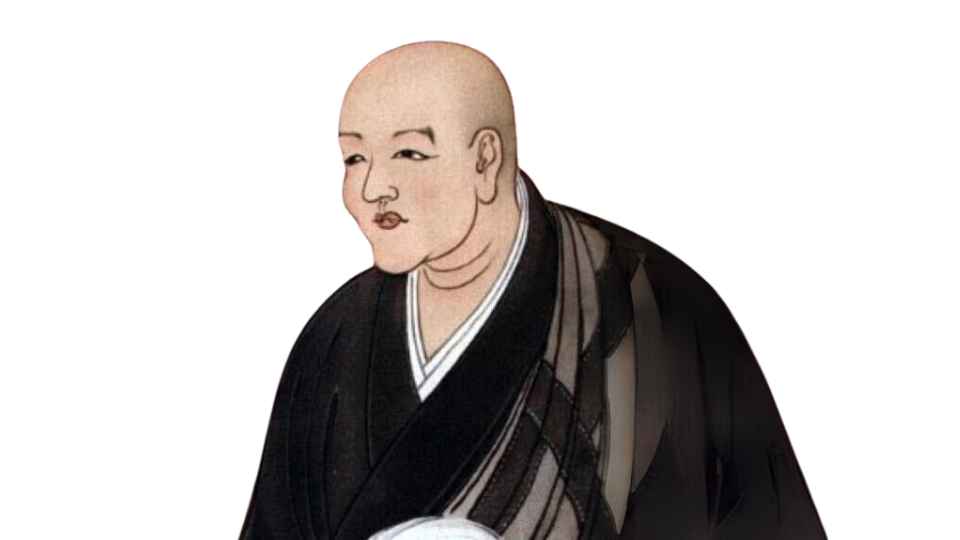
The Stillness of Uprightness: Dōgen's Call to Posture
In the succinct yet profound words of Dōgen, "You should sit upright in correct posture," we find an invitation to engage with our physical presence as a gateway to deeper spiritual awareness. This statement, while seemingly straightforward, carries significant weight in the Zen tradition, where the act of sitting—zazen—serves as a foundational practice. The emphasis on posture is not merely about physical alignment; it is a call to embody mindfulness and presence, reminding us that our external form can influence our internal state. In a world often characterized by distraction and disconnection, Dōgen's guidance urges us to cultivate a practice that fosters both awareness and stability.
Delving deeper, we recognize that Dōgen's instruction transcends the physical act of sitting. It speaks to the essence of practice itself, where the alignment of body, mind, and spirit becomes a holistic endeavor. The notion of "correct posture" invites us to consider how we carry ourselves in all aspects of life, not just during meditation. By embodying uprightness, we engage with the world from a place of clarity and intention, allowing our practice to permeate our daily interactions and experiences. Thus, Dōgen's words resonate as a timeless reminder of the interconnectedness of our physical and spiritual lives.
The image / the metaphor
At first glance, Dōgen's directive to "sit upright in correct posture" conjures an image of a meditator poised in stillness, spine straight, and breath flowing freely. The verbs chosen—"sit" and "upright"—evoke a sense of intentionality and presence, suggesting that the act of sitting is not passive but rather an active engagement with the moment. This imagery invites us to feel the weight of our bodies grounded in the earth while simultaneously reaching toward the sky, embodying a balance that reflects both humility and aspiration. The physicality of posture becomes a metaphor for our approach to life: how we stand in the face of challenges, how we navigate relationships, and how we remain open to the unfolding of our experiences.
Going deeper, the metaphor of posture extends beyond the physical realm into the spiritual. An upright posture symbolizes a readiness to engage with life fully, to confront our fears and uncertainties with courage and grace. It suggests a commitment to authenticity, where we are not merely going through the motions but are fully present in our experience. In this way, Dōgen's teaching becomes a profound reminder that our physical stance can reflect our inner state; to sit upright is to embody a spirit of inquiry and openness, inviting us to explore the depths of our being.
In the speaker's tradition
To understand Dōgen's teaching within the context of Zen, we must consider the broader framework of his philosophy, which emphasizes the interdependence of form and emptiness, or sunyata. In Zen, the practice of zazen is not merely a technique but a manifestation of the dharma, the truth of existence. Dōgen's insistence on correct posture aligns with the Zen principle of "just sitting," where the act of sitting itself becomes a profound expression of awakening. This practice embodies the concept of kenosis, or self-emptying, as we release our attachments and distractions, allowing the essence of our being to emerge.
Furthermore, Dōgen's teachings resonate with the notion of prajna, or wisdom, which arises from direct experience rather than intellectual understanding. In his seminal work, "Fukanzazengi," Dōgen articulates the importance of zazen as a means to realize our true nature. The emphasis on posture serves as a reminder that our physical practice is intrinsically linked to our spiritual awakening; by sitting upright, we align ourselves with the flow of existence, cultivating a deeper awareness of the present moment.
Living the teaching
Consider a modern scenario where Dōgen's teaching on posture can be applied: a busy professional navigating a hectic workday. In the midst of meetings, deadlines, and constant notifications, the individual may find themselves hunched over their desk, physically and mentally constricted. By consciously adopting an upright posture, they can create a moment of stillness amidst the chaos, allowing for clarity and focus to emerge. This simple act of sitting upright can serve as a reminder to pause, breathe, and reconnect with their intentions, transforming the work environment into a space of mindfulness and presence.
In a different context, imagine a challenging conversation with a loved one, where emotions run high and misunderstandings abound. By embodying Dōgen's teaching of correct posture, one can approach the dialogue with a sense of groundedness and openness. Sitting upright, both physically and emotionally, allows for a more compassionate exchange, fostering a space where both parties feel heard and valued. In this way, the practice of posture extends beyond meditation, influencing our interactions and relationships, and inviting us to engage with the world from a place of integrity and awareness.
A reflection
As we contemplate Dōgen's instruction to "sit upright in correct posture," we are invited to reflect on the ways in which our physical presence influences our spiritual journey. How does your posture—both in meditation and in daily life—reflect your inner state? In what ways can you cultivate a practice of uprightness that fosters clarity, connection, and presence? Allow this inquiry to guide you as you explore the profound relationship between body and spirit, and consider how embodying this teaching can transform your experience of the world.


