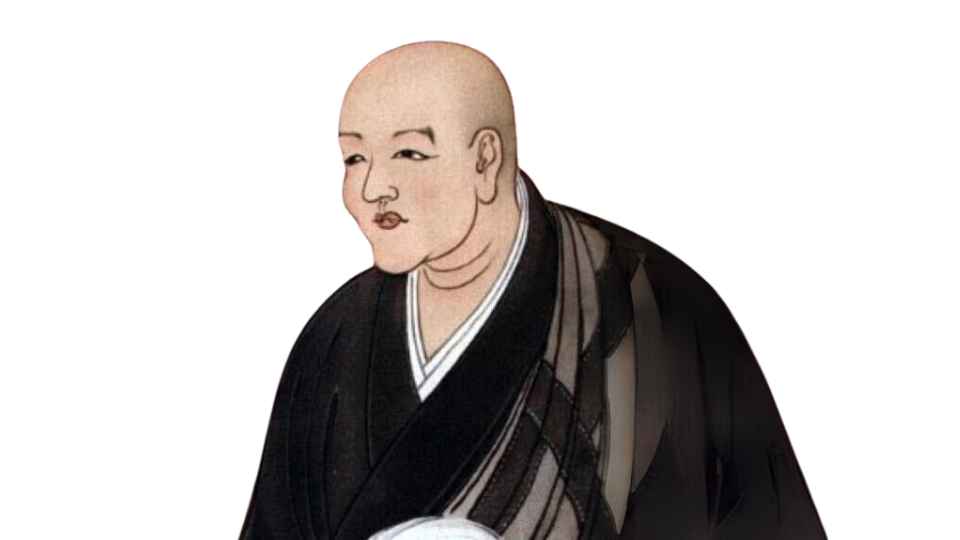
The Ease of Being: Dōgen's Invitation to Zazen
In the words of Dōgen, "Zazen is not 'step-by-step meditation.' Rather it is simply the easy and pleasant practice of a Buddha." This statement invites us to reconsider our approach to meditation, urging us to move beyond rigid methodologies and into a realm of natural ease. In a world often characterized by complexity and striving, Dōgen's perspective offers a refreshing reminder that true practice can be both simple and joyful. The stakes are high; in our pursuit of spiritual growth, we may inadvertently complicate what is inherently meant to be a natural expression of our being.
To understand the depth of Dōgen's assertion, we must first recognize the cultural and historical context in which he wrote. As a pivotal figure in the Zen tradition, Dōgen sought to articulate a form of practice that transcended mere technique. His emphasis on zazen as an "easy and pleasant" endeavor challenges the notion that spiritual progress requires arduous effort or a series of prescribed steps. Instead, he invites us to embrace a state of being that is both relaxed and alert, a harmonious balance that allows for genuine insight and connection with the present moment.
The image / the metaphor
Dōgen's choice of words in describing zazen is particularly evocative. The term "easy" suggests a sense of fluidity and comfort, while "pleasant" evokes a feeling of joy and contentment. By framing zazen in this way, Dōgen paints a picture of meditation not as a chore or a task to be completed, but as a natural extension of our existence. The verbs "is" and "practice" imply a state of being rather than doing, inviting practitioners to engage in zazen as a way of life rather than a series of steps to be mastered.
In the speaker's tradition
Dōgen's teachings are deeply rooted in the Zen tradition, which emphasizes direct experience and the realization of one's true nature. Concepts such as sunyata (emptiness) and prajna (wisdom) are central to understanding his perspective on zazen. By practicing zazen, one cultivates an awareness that transcends dualistic thinking, leading to a direct encounter with the essence of reality. This practice aligns with the Zen principle of non-attachment, encouraging practitioners to let go of preconceived notions about meditation and simply be present.
Living the teaching
Consider a modern scenario where the teaching of zazen as an "easy and pleasant practice" can be applied. Imagine a busy professional, overwhelmed by the demands of work and life. In seeking a moment of respite, they decide to engage in zazen during their lunch break. Rather than approaching it as a task to be completed, they allow themselves to simply sit, breathe, and be. In this moment, they discover that the act of sitting quietly can be a source of rejuvenation, a reminder that peace is accessible even amidst chaos.
In another context, this teaching can be transformative within relationships. Picture a couple navigating a challenging conversation, each feeling the weight of their emotions. By pausing to practice zazen together, they create a space of ease and presence. Instead of reacting from a place of tension, they find themselves able to listen deeply and respond with compassion. This shared practice fosters a deeper connection, illustrating how the principles of zazen can enhance not only individual well-being but also the quality of our relationships.
A reflection
As we contemplate Dōgen's assertion that zazen is the "easy and pleasant practice of a Buddha," we are invited to reflect on our own relationship with meditation and presence. Are we approaching our spiritual practices with a sense of ease, or do we find ourselves caught in the web of expectation and striving? In what ways can we cultivate a more joyful and relaxed approach to our practice, allowing it to unfold naturally rather than forcing it into a rigid framework? Let this question guide your contemplation as you explore the depths of your own zazen practice.


