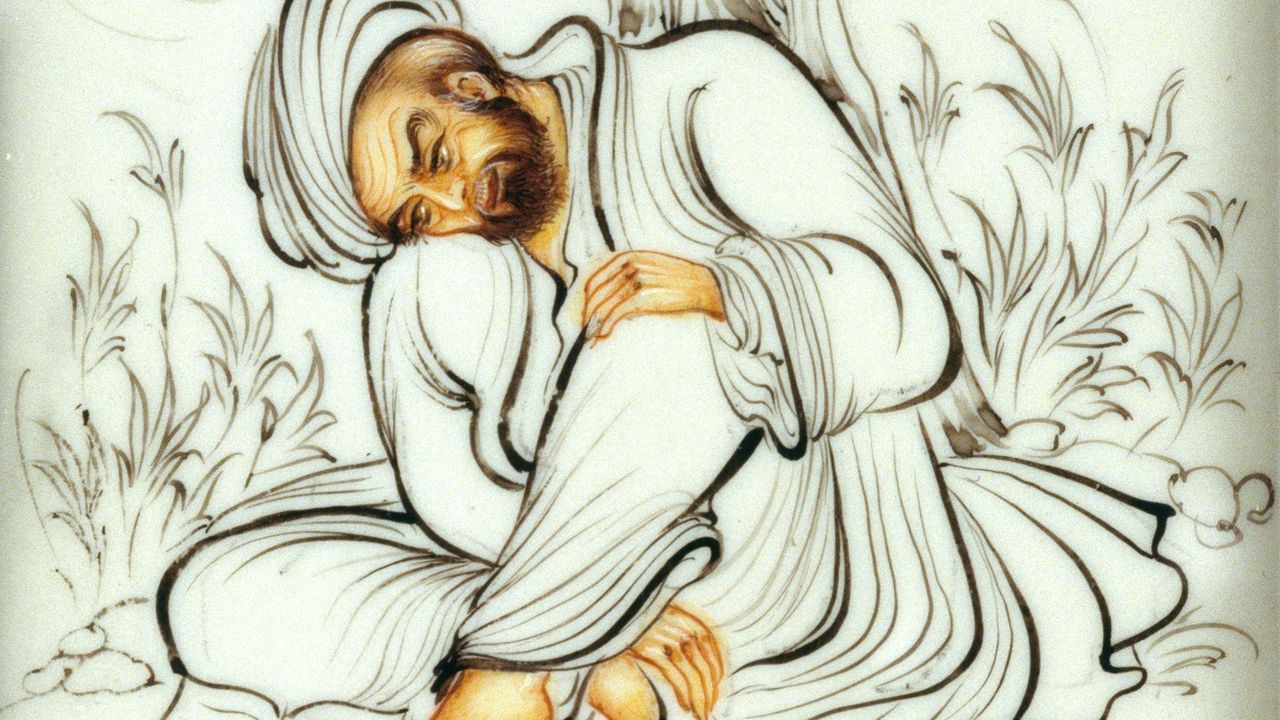
The Fragrance of Presence: An Exploration of Hafiz's Wisdom
In the evocative words of Hafiz, "Where the Beloved walks, the dust takes on perfume." This poetic declaration invites us to consider the transformative power of presence, suggesting that the mere act of being in the company of the Divine—or the beloved—imbues even the most mundane aspects of life with beauty and significance. The stakes of this insight are profound; it challenges us to recognize how our own presence can affect the world around us, and how the presence of others can elevate our experience of reality.
Hafiz, a luminary of Sufi poetry, captures the essence of love and devotion in this quote, urging us to explore the interplay between the sacred and the ordinary. The imagery of dust transforming into perfume serves as a reminder that the divine can be found in the simplest of things, and that our awareness of this presence can lead to a richer, more fragrant existence. In a world often clouded by distraction and disconnection, this teaching beckons us to cultivate a deeper awareness of the beauty that surrounds us, inviting us to walk in the presence of love.
The image / the metaphor
At first glance, the imagery in Hafiz's quote is strikingly simple yet deeply evocative. The juxtaposition of "dust" and "perfume" creates a vivid contrast between the mundane and the sublime. Dust, often associated with the earth and the transient nature of life, becomes a vessel for fragrance, a symbol of beauty and transcendence. The verbs "walks" and "takes on" suggest an active engagement with the world, emphasizing the dynamic relationship between the beloved and the environment. This imagery invites us to envision a world where the presence of love transforms the ordinary into something extraordinary.
Delving deeper into the metaphor, we can see that the "Beloved" represents not just a singular divine figure but the essence of love itself—an energy that permeates all existence. The act of walking signifies movement and intention, suggesting that love is not a passive state but an active force that shapes our reality. The transformation of dust into perfume symbolizes the potential for spiritual awakening in our everyday lives, encouraging us to recognize that even the most unremarkable moments can be infused with grace when we are attuned to the presence of love. This metaphor invites us to reflect on how our own presence can bring beauty to the world around us.
In the speaker's tradition
Hafiz's wisdom is deeply rooted in the Sufi tradition, which emphasizes the pursuit of divine love and the experience of unity with the Beloved. Central to Sufism is the concept of "fana," or the annihilation of the self in the presence of the Divine. This idea resonates with Hafiz's quote, as it suggests that when we surrender our ego and allow ourselves to be enveloped by love, we become conduits for beauty and transformation. The fragrance of the beloved permeates our being, allowing us to transcend the limitations of our earthly existence.
In the context of Sufi poetry, Hafiz's work can be likened to that of Rumi, who also explores themes of love and divine presence. In Rumi's poetry, the beloved often serves as a metaphor for the divine, inviting seekers to experience the profound connection between the self and the universe. For instance, in Rumi's famous poem "The Guest House," he encourages us to welcome all emotions as guests, recognizing that each experience contributes to our spiritual growth. Both poets illuminate the path of love as a transformative force, urging us to embrace the beauty that arises from our connection to the Divine.
Living the teaching
Imagine a busy morning in a bustling city, where the noise of traffic and the rush of people create a sense of chaos. In such moments, it can be easy to overlook the beauty that exists in the mundane. However, if we approach our day with the awareness that the presence of love can transform our experience, we may begin to notice the subtle fragrances of life—the laughter of a child, the warmth of a smile from a stranger, or the gentle rustle of leaves in the wind. By cultivating this awareness, we can find moments of beauty even in the most ordinary circumstances, allowing the dust of our daily lives to take on the perfume of presence.
In our relationships, the teaching of Hafiz can serve as a guiding principle. When we engage with others from a place of love and presence, we create an environment where the mundane can become extraordinary. Consider a difficult conversation with a loved one; if we approach it with an open heart, allowing the essence of love to guide our words and actions, we may find that the tension dissipates, and understanding blossoms. In these moments, we embody the fragrance of the beloved, transforming the dust of conflict into the perfume of connection and harmony.
A reflection
As we contemplate Hafiz's profound insight, we are invited to consider the following question: In what ways can I cultivate a deeper awareness of love's presence in my life, allowing the ordinary to become extraordinary? This inquiry encourages us to reflect on our daily experiences and recognize the potential for beauty and transformation that exists within them. By embracing this perspective, we can begin to walk through life with a sense of wonder, allowing the dust of our existence to take on the fragrance of the beloved.


