Embracing the Stillness of Energy
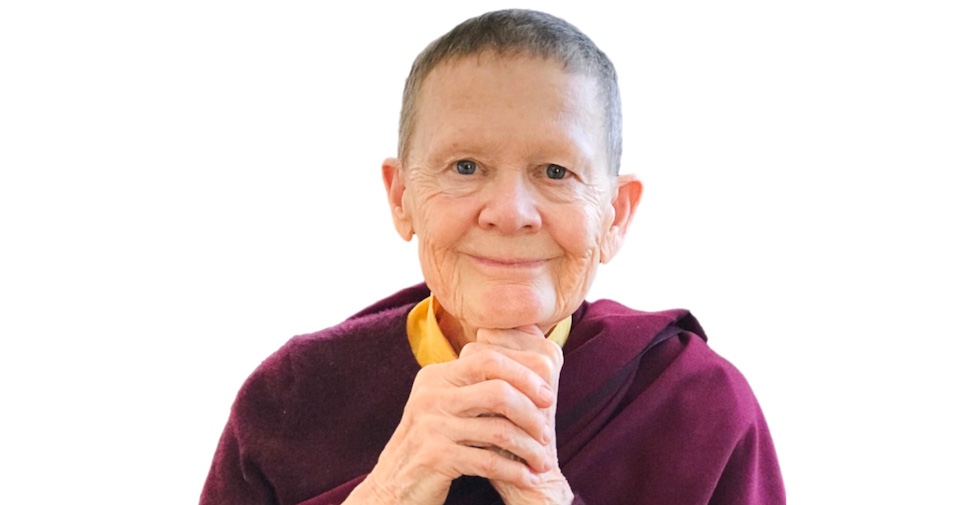
Pema Chödrön's assertion, "When we don't act on our impulses, we begin to experience our energy directly," invites us to pause and reflect on the nature of our inner lives. In a world that often glorifies immediate action and reaction, this quote serves as a gentle reminder of the power of presence. By refraining from impulsive behavior, we create a space where we can truly connect with our own energy, allowing us to understand ourselves more deeply. This exploration of energy is not merely a personal journey; it is a pathway to greater awareness and compassion in our interactions with others.
Chödrön's words resonate with the wisdom of mindfulness, a core tenet of Buddhist practice. The act of not succumbing to our impulses can be seen as a form of liberation, a way to step back from the incessant chatter of the mind. In this stillness, we can begin to discern the subtleties of our emotional landscape, recognizing the patterns that govern our thoughts and actions. This process is not just about restraint; it is about cultivating a profound awareness that can transform our relationship with ourselves and the world around us.
The image / the metaphor
The imagery in Chödrön's quote evokes a sense of stillness and clarity. The verbs "act" and "experience" suggest a dynamic interplay between doing and being. When we refrain from acting on our impulses, we are not merely suppressing our desires; rather, we are allowing ourselves to be present with the raw energy that flows within us. This energy, often masked by our habitual reactions, can be likened to a river that, when unimpeded, reveals its true depth and clarity. In this state of presence, we can truly feel the currents of our emotions and thoughts without the distortion of impulsive actions.
Diving deeper into the metaphor, we can see that the act of not acting is a practice of surrender. It is an invitation to sit with discomfort, to embrace the uncertainty that arises when we do not immediately respond to our impulses. This surrender is not a passive resignation; rather, it is an active engagement with our inner world. By allowing ourselves to feel our energy directly, we cultivate a sense of intimacy with our own experience, fostering a deeper understanding of our motivations and desires.
In the speaker's tradition
Pema Chödrön's teachings are deeply rooted in the Buddhist tradition, particularly in the concepts of mindfulness and awareness. The practice of not acting on our impulses aligns with the Buddhist principle of "dharma," which encourages us to live in accordance with our true nature. This approach invites us to cultivate "prajna," or wisdom, as we learn to observe our thoughts and feelings without judgment. In doing so, we can experience "sunyata," or emptiness, recognizing that our impulses do not define us, but are simply passing phenomena in the vast landscape of our consciousness.
Chödrön's insights can be further illuminated by the teachings found in the "Heart Sutra," which emphasizes the importance of understanding the nature of reality and the interconnectedness of all things. The sutra teaches that by letting go of our attachments and preconceived notions, we can access a deeper level of awareness. This aligns beautifully with Chödrön's message, as both invite us to explore the space between impulse and action, ultimately leading us to a more profound experience of our energy and existence.
Living the teaching
Consider a modern scenario where this teaching might resonate: imagine a moment of frustration during a heated conversation. The impulse to react defensively can be overwhelming, yet if we pause and refrain from acting on that impulse, we create an opportunity for deeper understanding. In that stillness, we can feel the energy of our emotions—anger, hurt, or fear—without immediately projecting them onto the other person. This practice not only fosters personal growth but also enhances our relationships, allowing for more compassionate and meaningful interactions.
Another application of this teaching can be found in our daily routines. Picture a moment when you feel the urge to reach for your phone out of habit, perhaps during a quiet moment or while waiting in line. Instead of succumbing to that impulse, you might choose to sit with the energy of that moment, observing your thoughts and feelings without judgment. This practice of presence can transform mundane moments into opportunities for self-discovery, enabling you to connect with your inner landscape and cultivate a greater sense of awareness in your life.
A reflection
As we contemplate Pema Chödrön's profound insight, we are invited to consider the nature of our own impulses and the energy that lies beneath them. What happens when we choose to pause instead of react? In this space of stillness, we may uncover insights about ourselves that have long been obscured. As you reflect on this, ask yourself: How can I cultivate a deeper awareness of my energy in moments of impulse, and what might I discover about myself in that process?