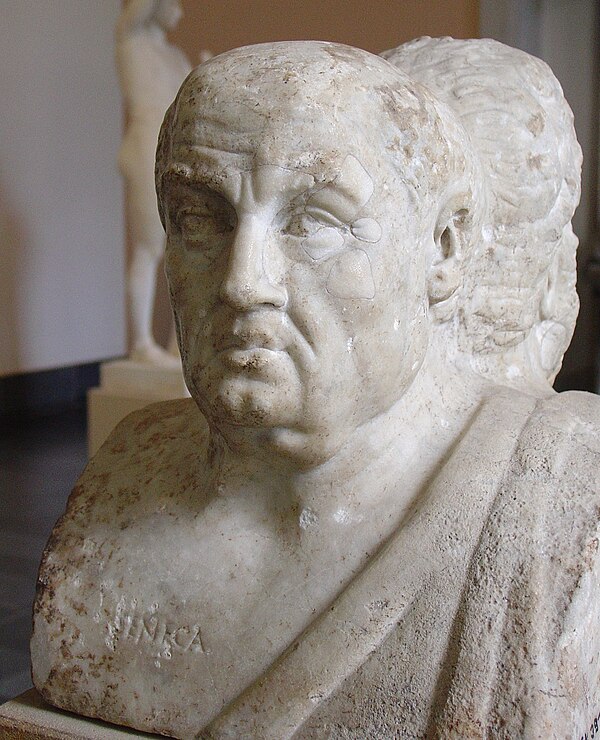
The Essence of True Friendship: A Stoic Reflection
In the words of Seneca, "He who has won true friendship has himself." This profound statement invites us to explore the intricate relationship between selfhood and the bonds we forge with others. It suggests that the attainment of genuine friendship is not merely an external achievement but a reflection of our inner state. Understanding this connection is vital, as it emphasizes the importance of virtue and authenticity in our interactions, ultimately shaping our sense of self.
Delving deeper, we recognize that true friendship is not a superficial connection based on convenience or mutual benefit; rather, it is a profound bond rooted in shared values, trust, and mutual respect. Seneca's assertion compels us to reflect on the nature of our relationships and the extent to which they contribute to our personal growth. In a world often characterized by fleeting connections, the pursuit of true friendship becomes a noble endeavor, one that enriches our lives and fosters a deeper understanding of ourselves.
The image / the metaphor
At first glance, Seneca's quote evokes a vivid image of friendship as a mirror reflecting one's true self. The phrase "has won true friendship" implies an active pursuit, suggesting that genuine connections require effort, intention, and a willingness to be vulnerable. The use of the word "won" conveys a sense of achievement, as if friendship is a treasure that must be sought after and earned, rather than a mere byproduct of social interaction.
Moreover, the metaphor of friendship as a possession—"has himself"—invites us to consider the idea that our relationships are integral to our identity. In this sense, true friendship becomes a means of self-discovery, allowing us to uncover aspects of ourselves that may remain hidden in solitude. The interplay between self and friendship highlights the Stoic belief that our connections with others can illuminate our virtues and flaws, ultimately guiding us toward a more authentic existence.
In the speaker's tradition
Seneca's thoughts on friendship are deeply rooted in Stoic philosophy, which emphasizes the cultivation of virtue and the importance of rationality in human relationships. The Stoics believed that true friendship is grounded in the pursuit of virtue, where individuals support one another in their quest for moral excellence. This aligns with the concept of *dharma* in Eastern philosophies, where one's duty to others is intertwined with personal growth and self-realization.
In his *Letters to Lucilius*, Seneca elaborates on the qualities of a true friend, emphasizing loyalty, honesty, and the capacity for mutual growth. This resonates with the Buddhist notion of *sangha*, the community of practitioners who support each other on the path to enlightenment. Both traditions recognize that the journey toward self-actualization is often facilitated by the presence of others who challenge and inspire us to become our best selves.
Living the teaching
Consider a modern scenario where this teaching resonates: a workplace environment where colleagues form alliances based on shared goals and values. In such a setting, true friendship can emerge, fostering collaboration and mutual support. When individuals feel a genuine connection, they are more likely to engage authentically, share their ideas, and take risks, ultimately leading to a more productive and harmonious workplace. Here, the essence of Seneca's quote becomes evident; the friendships formed in this context not only enhance professional success but also contribute to personal fulfillment.
Another application of this teaching can be found in personal relationships, particularly during challenging moments. Imagine a friend facing a difficult life transition, such as a job loss or a breakup. In offering unwavering support and understanding, we embody the principles of true friendship that Seneca espouses. By being present and authentic, we not only help our friend navigate their struggles but also deepen our own sense of self through the act of caring. This reciprocal relationship illustrates how true friendship enriches both parties, reinforcing the idea that in winning true friendship, we indeed find ourselves.
A reflection
As we contemplate Seneca's assertion, we are invited to consider the nature of our own friendships. Are they rooted in authenticity and mutual growth, or do they reflect a more superficial connection? In what ways can we cultivate deeper, more meaningful relationships that not only enrich our lives but also contribute to our understanding of ourselves? This reflection encourages us to engage with our friendships thoughtfully, recognizing their potential to illuminate our true selves.