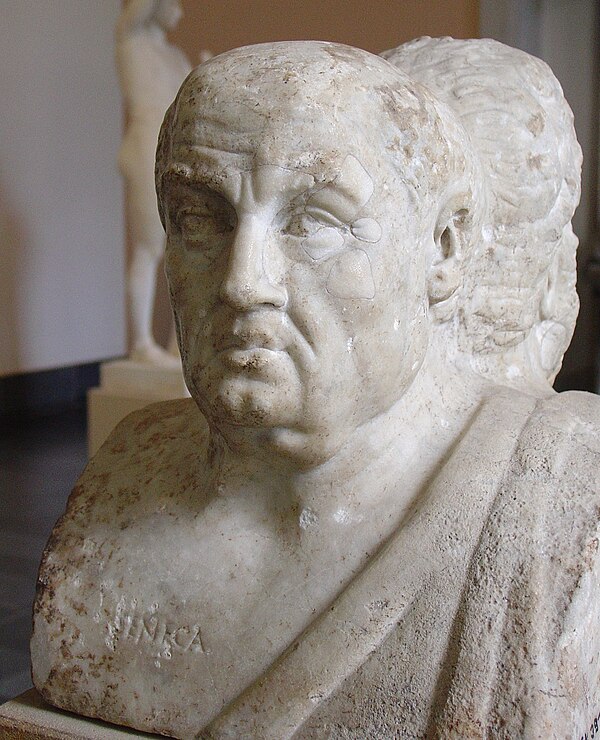
The True Power Within: Mastery of Self
Seneca's assertion that "Most powerful is he who has himself in his own power" invites us to reflect on the profound nature of self-mastery. In a world often dominated by external circumstances and societal pressures, the ability to govern one's own thoughts, emotions, and actions emerges as the highest form of strength. This quote serves as a reminder that true power does not reside in the ability to control others or manipulate situations, but rather in the cultivation of inner resilience and self-discipline.
Delving deeper, we find that Seneca's wisdom speaks to the essence of Stoic philosophy, which emphasizes the importance of personal agency and the pursuit of virtue. The journey toward self-mastery is not merely an individual endeavor; it is a transformative process that shapes our interactions with the world. By recognizing that our responses to life's challenges are within our control, we can navigate the complexities of existence with grace and purpose, ultimately leading to a more fulfilling life.
The image / the metaphor
At first glance, Seneca's quote conjures an image of a sovereign ruler, one who commands not armies or territories, but the very essence of his being. The phrase "has himself in his own power" evokes a sense of ownership and responsibility, suggesting that mastery over oneself is akin to wielding a powerful scepter. The verbs chosen—"has" and "power"—imply an active engagement with one's inner landscape, where the individual must continuously cultivate awareness and discipline to maintain this dominion.
Going deeper into the metaphor, we can see that self-mastery is not a static state but a dynamic process. It requires ongoing effort, introspection, and the willingness to confront one's own weaknesses. Just as a gardener tends to a garden, nurturing its growth while weeding out the unwanted, so too must we attend to our inner lives. The metaphor of power here transcends mere control; it embodies the idea of harmonizing one's desires, thoughts, and actions in alignment with a greater purpose.
In the speaker's tradition
Seneca's insights are deeply rooted in the Stoic tradition, which teaches that the path to true happiness lies in understanding and accepting what is within our control. This concept resonates with the Eastern philosophies of dharma and sunyata, where the focus is on aligning oneself with the natural order of existence and recognizing the impermanence of all things. Just as Stoicism emphasizes the importance of virtue and rationality, these traditions also highlight the necessity of self-awareness and the relinquishing of attachments that bind us to suffering.
In his letters, Seneca often draws upon the idea of the "inner citadel," a metaphor for the fortress of the mind that protects us from external turmoil. This notion parallels the Buddhist concept of kenosis, or self-emptying, where one must let go of ego-driven desires to attain a state of peace. Both philosophies converge on the understanding that true power arises not from external validation but from an unwavering commitment to self-governance and ethical living.
Living the teaching
Consider a modern scenario where this teaching can be applied: a workplace filled with stress and competition. In such an environment, it is easy to feel overwhelmed by external pressures and the actions of others. However, by embracing Seneca's wisdom, one can focus on cultivating a sense of inner calm and clarity. Rather than reacting impulsively to challenges or conflicts, an individual can choose to respond with thoughtfulness, thereby reclaiming their power and influencing the workplace atmosphere positively.
Another application of this teaching might arise in personal relationships, particularly during moments of conflict or misunderstanding. When faced with a disagreement, it is tempting to react defensively or to seek validation from the other person. Yet, by remembering that one's power lies in self-control, a person can approach the situation with empathy and understanding. This shift not only fosters healthier communication but also reinforces the idea that true strength is found in the mastery of one's emotions and responses.
A reflection
As we contemplate Seneca's assertion, we are invited to consider the ways in which we exercise power over ourselves in our daily lives. What practices can we adopt to cultivate greater self-mastery? Reflecting on this question can lead us to deeper insights about our motivations, desires, and the choices we make. In a world that often seeks to distract and overwhelm, the journey toward self-governance becomes not just a personal endeavor but a profound act of spiritual growth.


