The Alchemy of Suffering: A Path to Rebirth
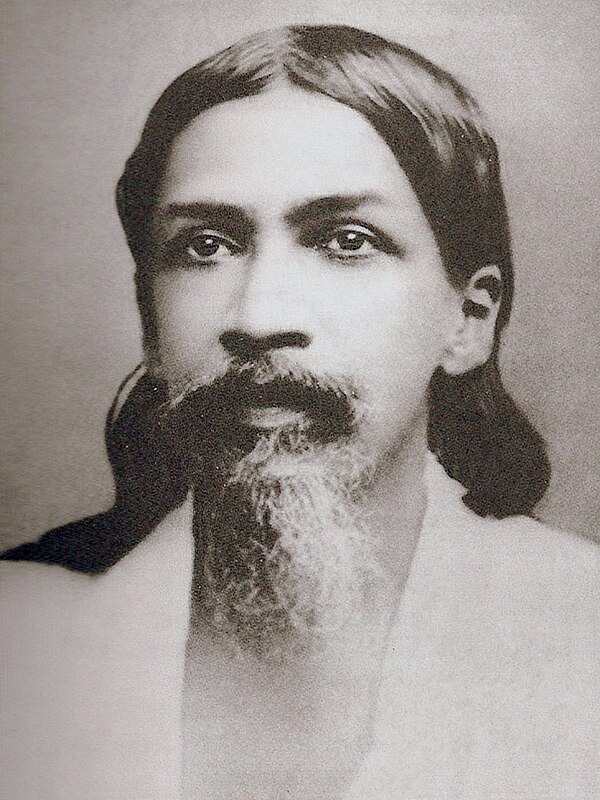
In the profound words of Sri Aurobindo, "By suffering all things are reborn," we are invited to explore the transformative power of suffering. This statement encapsulates a deep spiritual truth: that through the crucible of pain and hardship, new life and understanding can emerge. The stakes of this insight are high, as it challenges our instinctive aversion to suffering and invites us to reconsider our relationship with it. In a world that often seeks to avoid discomfort at all costs, Aurobindo's words serve as a reminder that suffering can be a catalyst for profound personal and spiritual growth.
Delving deeper, we find that Aurobindo's assertion is not merely a philosophical observation but a call to embrace the full spectrum of human experience. Suffering, in this context, is not an end but a means—a necessary passage through which we can attain greater wisdom and compassion. The notion of rebirth suggests a cyclical process, one that resonates with the rhythms of nature and the human condition. By acknowledging suffering as an integral part of life, we open ourselves to the possibility of renewal and transformation, allowing us to emerge from our trials with a deeper understanding of ourselves and the world around us.
The image / the metaphor
At the heart of Aurobindo's quote lies a vivid imagery of suffering as a transformative force. The verb "suffering" evokes a sense of weight, a burden that is often heavy and difficult to bear. Yet, the phrase "all things are reborn" introduces a sense of hope and possibility, suggesting that from the ashes of our pain, new life can emerge. This juxtaposition of suffering and rebirth creates a dynamic interplay, inviting us to see suffering not as a mere affliction but as a fertile ground for growth and renewal.
Going deeper into the metaphor, we can liken suffering to the process of alchemy, where base metals are transformed into gold through intense heat and pressure. Just as the alchemist must endure the fire to achieve the desired transformation, so too must we navigate our own trials to uncover the deeper truths within ourselves. This metaphor serves to remind us that suffering, while often unwelcome, can lead to profound insights and a richer, more authentic existence. It is through the experience of suffering that we can cultivate resilience, empathy, and a deeper connection to the shared human experience.
In the speaker's tradition
To fully appreciate Aurobindo's perspective, we must situate it within the broader context of Hindu philosophy. Concepts such as dharma, the moral order of the universe, and kenosis, the self-emptying of the soul, resonate deeply with the idea that suffering can lead to rebirth. In Hindu thought, suffering is often viewed as a necessary part of the soul's journey toward liberation (moksha). This journey is not linear; rather, it is cyclical, echoing the themes of karma and reincarnation, where each experience, including suffering, contributes to the soul's evolution.
Moreover, Aurobindo's insights can be illuminated by referencing the Bhagavad Gita, where Lord Krishna teaches Arjuna about the nature of duty and the inevitability of suffering in the pursuit of righteousness. In Chapter 2, Krishna emphasizes that the soul is eternal and that physical suffering is transient, urging Arjuna to rise above his fears and embrace his path. This teaching aligns with Aurobindo's assertion that through suffering, we can transcend our limitations and experience a rebirth into a higher state of consciousness.
Living the teaching
In our modern lives, the teaching of Aurobindo can manifest in various concrete scenarios. Consider the experience of losing a job—a situation that often brings about feelings of despair and uncertainty. Yet, within this suffering lies the potential for rebirth. It may prompt an individual to reassess their career path, explore new passions, or even embark on a journey of self-discovery that ultimately leads to a more fulfilling vocation. By reframing the experience of loss as an opportunity for growth, we can begin to see how suffering can serve as a catalyst for positive change.
Similarly, in the realm of relationships, Aurobindo's teaching can be applied during times of conflict or emotional pain. When faced with a difficult conversation or a breakup, one might initially feel overwhelmed by grief. However, if we approach these moments with the understanding that they can lead to personal growth and deeper self-awareness, we open ourselves to the possibility of healing and transformation. This perspective encourages us to engage in practices such as mindfulness and self-reflection, allowing us to navigate our emotional landscape with grace and intention.
A reflection
As we contemplate Aurobindo's profound assertion, we are invited to reflect on our own relationship with suffering. How do we respond to the challenges and hardships that life presents? Are we able to see them as opportunities for rebirth and growth? In this moment of reflection, consider the following contemplative question: What is one experience of suffering in your life that has led to a significant transformation or insight? Allow yourself to sit with this question, exploring the depths of your own journey toward rebirth.