Embracing Anger with Tenderness
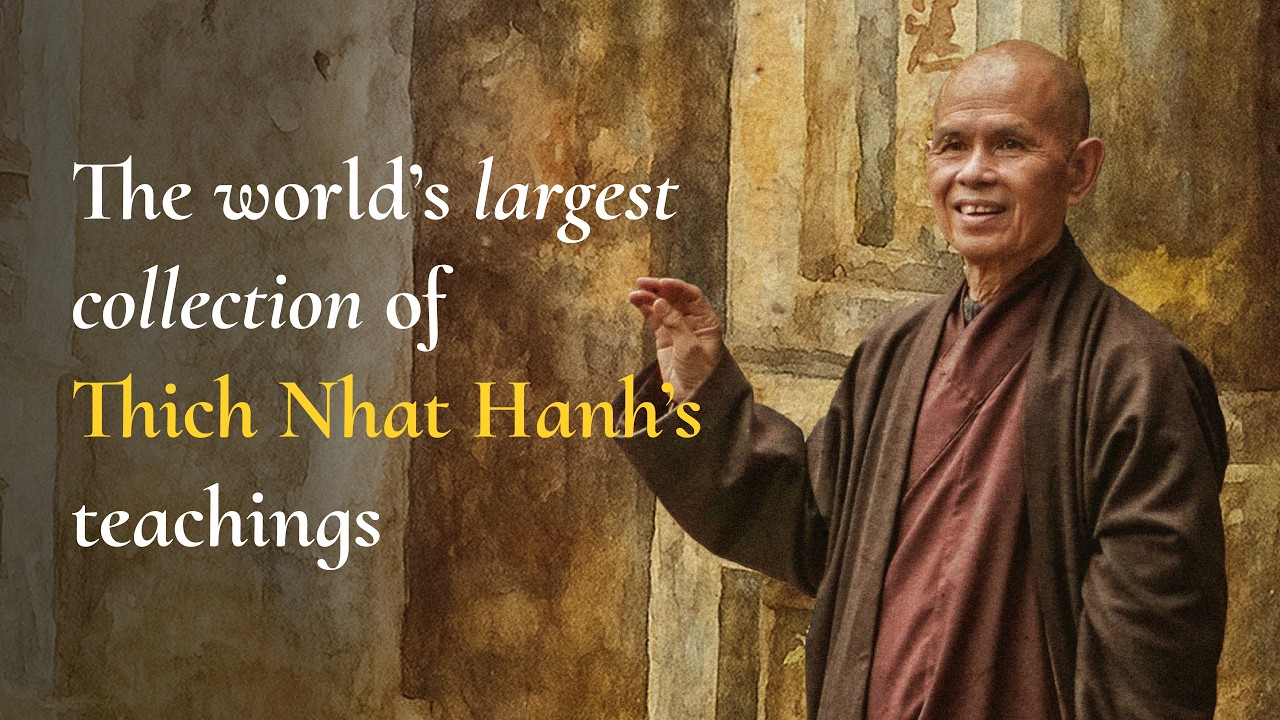
Thich Nhat Hanh's poignant observation that "anger is like a baby. It needs to be held with tenderness" invites us to reconsider our relationship with this powerful emotion. Rather than viewing anger as something to be suppressed or eradicated, he encourages us to approach it with compassion and understanding. This perspective is vital in a world where anger often manifests destructively, leading to conflict and division. By recognizing anger as a natural part of our emotional landscape, we can learn to nurture it rather than allow it to overwhelm us.
In a society that frequently stigmatizes anger, Hanh's metaphor serves as a gentle reminder that all emotions, including anger, deserve our attention and care. Just as a baby requires nurturing to grow and thrive, our anger, too, needs to be acknowledged and understood. This approach not only fosters personal healing but also cultivates a more compassionate society. By holding our anger tenderly, we can transform it from a source of suffering into an opportunity for growth and deeper awareness.
The image / the metaphor
The imagery of anger as a baby is both striking and evocative. It conjures a sense of vulnerability, suggesting that anger, like an infant, is not inherently harmful but rather a natural expression of our emotional state. The choice of the word "held" implies a gentle, nurturing approach, emphasizing the need for care and attention rather than dismissal or aggression. This metaphor invites us to engage with our anger in a way that acknowledges its presence without allowing it to dictate our actions.
Diving deeper into this metaphor, we can see that just as a baby requires patience and understanding, so too does our anger. It often arises from unmet needs or unresolved pain, signaling that something within us requires attention. By treating anger with tenderness, we create a space for healing and understanding, allowing us to explore its roots and the messages it carries. This compassionate engagement can lead to profound insights and a more harmonious relationship with ourselves and others.
In the speaker's tradition
Thich Nhat Hanh's teachings are deeply rooted in the Buddhist tradition, which emphasizes mindfulness and compassion as essential components of spiritual practice. Central to this tradition is the concept of "dharma," which refers to the teachings of the Buddha and the path to enlightenment. By approaching anger with tenderness, we align ourselves with the dharma's call to cultivate awareness and compassion, transforming our emotional experiences into opportunities for growth and understanding.
In his book "Anger," Hanh draws upon the Buddhist principle of "sunyata," or emptiness, which teaches that our emotions are not fixed entities but rather transient experiences that arise and pass away. This understanding allows us to see anger not as a permanent part of our identity but as a fleeting state that can be transformed through mindfulness and compassion. By recognizing the impermanence of anger, we can hold it tenderly, allowing it to inform us without overwhelming our sense of self.
Living the teaching
Consider a modern scenario where this teaching might resonate: a heated argument with a colleague at work. In the heat of the moment, anger can surge, leading to hurtful words and actions that may damage relationships. By applying Hanh's wisdom, one could pause to acknowledge the anger, recognizing it as a signal of unmet needs or frustrations. Instead of reacting impulsively, taking a moment to breathe and hold that anger with tenderness can create space for a more constructive dialogue, ultimately fostering understanding and collaboration.
This teaching can also be applied within personal relationships, particularly during conflicts with loved ones. When faced with a disagreement, it is easy to let anger dictate our responses, potentially leading to hurt feelings and misunderstandings. By embracing the idea of holding anger tenderly, we can approach our loved ones with empathy, seeking to understand the underlying emotions at play. This practice not only deepens our connections but also encourages a culture of compassion and open communication in our relationships.
A reflection
As we contemplate Thich Nhat Hanh's insight, we are invited to explore our own relationship with anger. How might we hold our anger with tenderness rather than fear or resentment? By reflecting on this question, we can begin to cultivate a more compassionate approach to our emotions, transforming anger from a source of suffering into a pathway for understanding and growth.